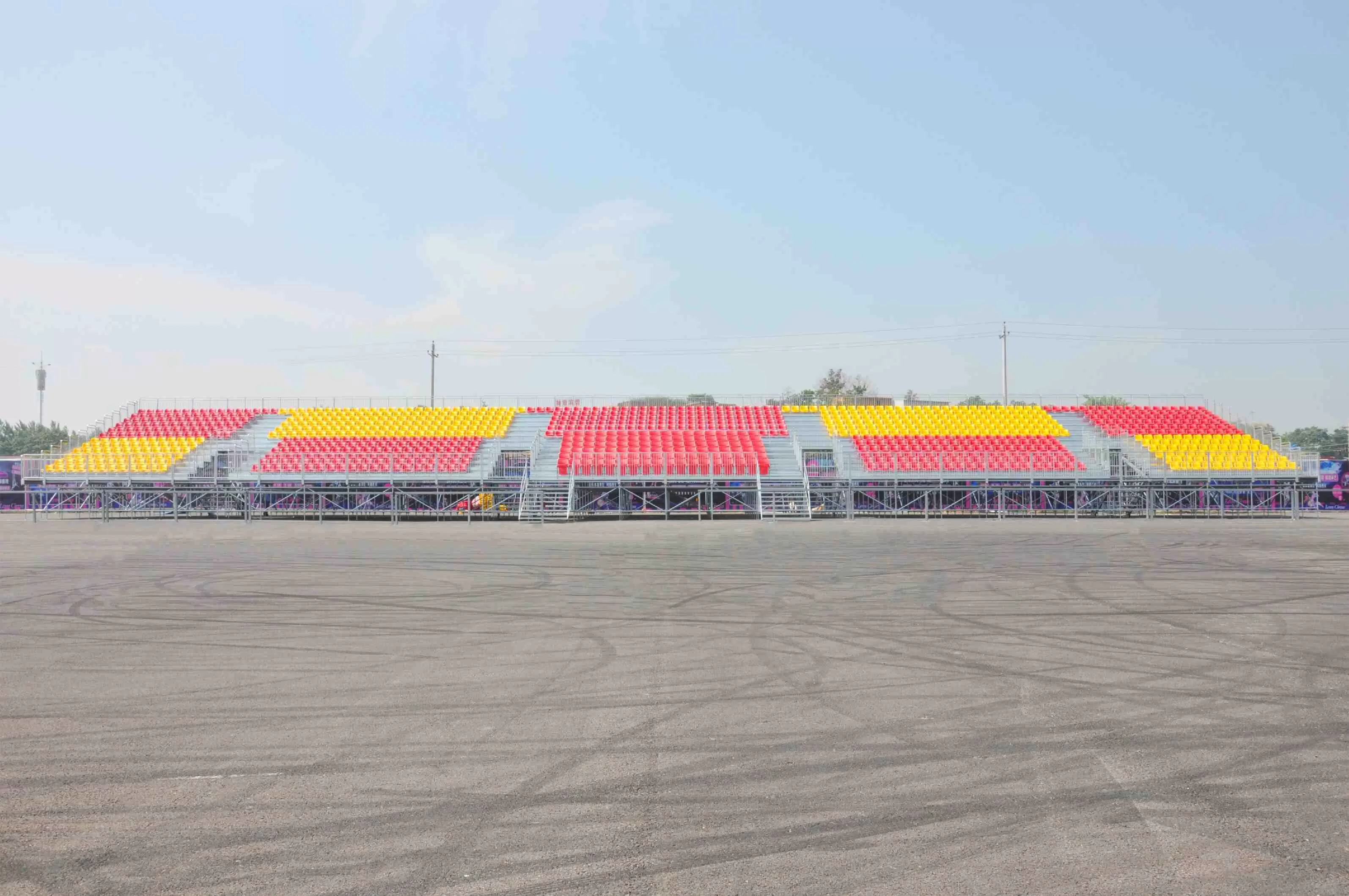
Stadium Bleachers Buying Guide: How to Choose the Right Seating for Your Sports Venue
When it comes to outfitting a sports venue—whether it’s a local football stadium, a school gymnasium, or a professional sports arena—the choice of stadium bleachers goes far beyond just providing seating. The right bleacher seating impacts spectator experience, venue safety, long-term durability, and even operational efficiency. With so many options on the market—from portable stadium bleachers to fixed grandstand seating, and aluminum telescopic bleachers to modular sports arena seating—it’s easy to feel overwhelmed. This guide breaks down the key factors to consider, helps you avoid common pitfalls, and highlights how to select bleachers that align with your venue’s unique needs, budget, and compliance requirements.
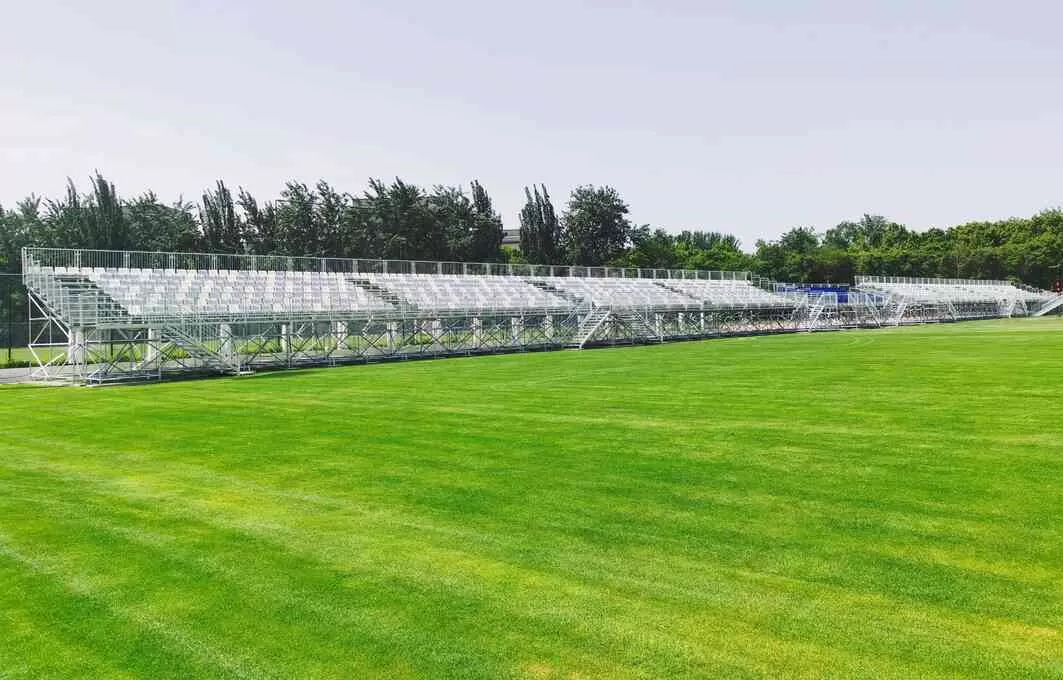
Key Factors to Consider When Selecting Stadium Bleachers
Not all stadium bleachers are created equal. The best choice for your venue depends on a combination of usage, location, capacity, and long-term goals. Below are the non-negotiable factors that every venue manager, sports coordinator, or procurement professional should prioritize.
1. Venue Type & Usage Frequency
The first step in choosing the right stadium bleachers is to assess your venue’s primary use and how often it will host events. For example:
-
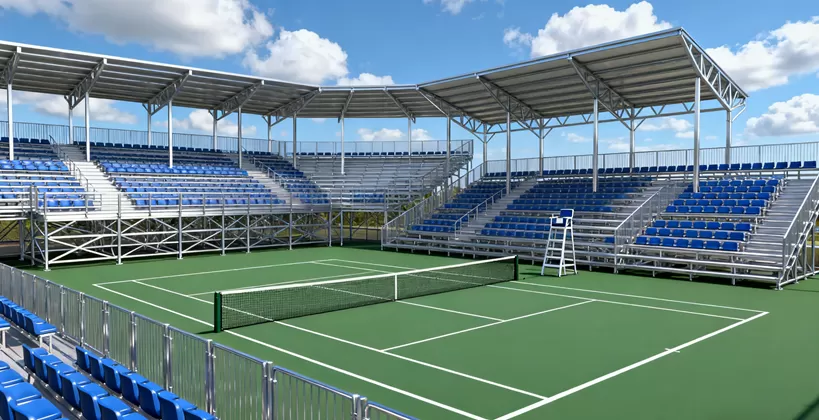
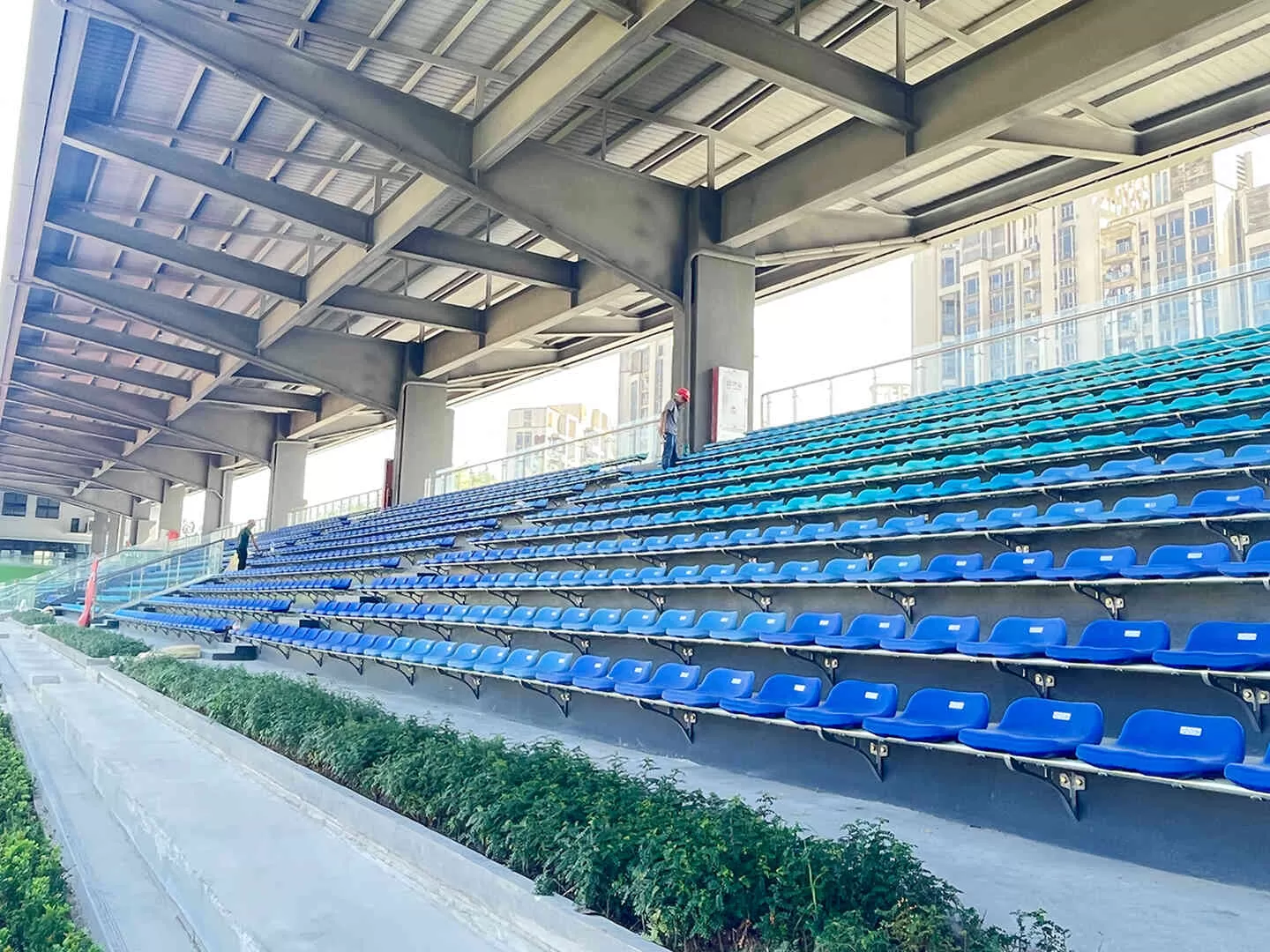
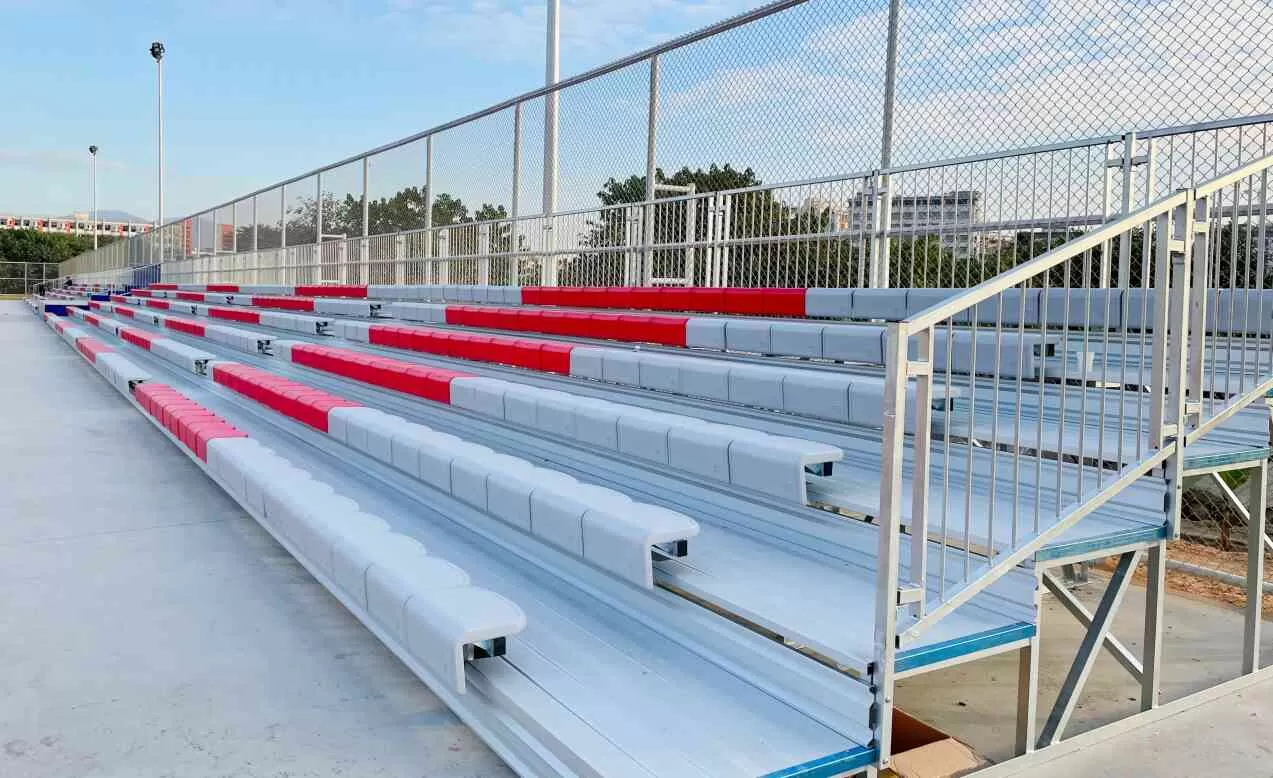
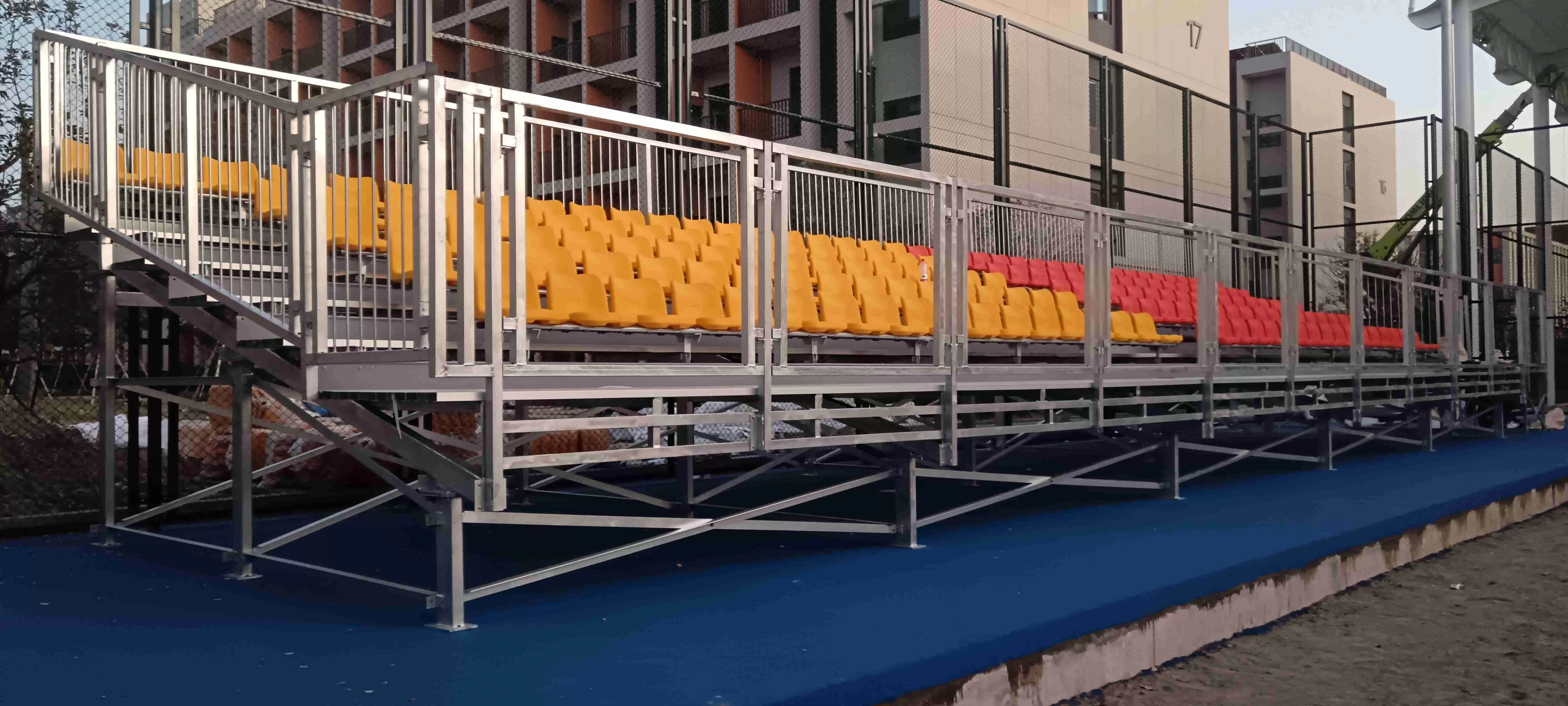
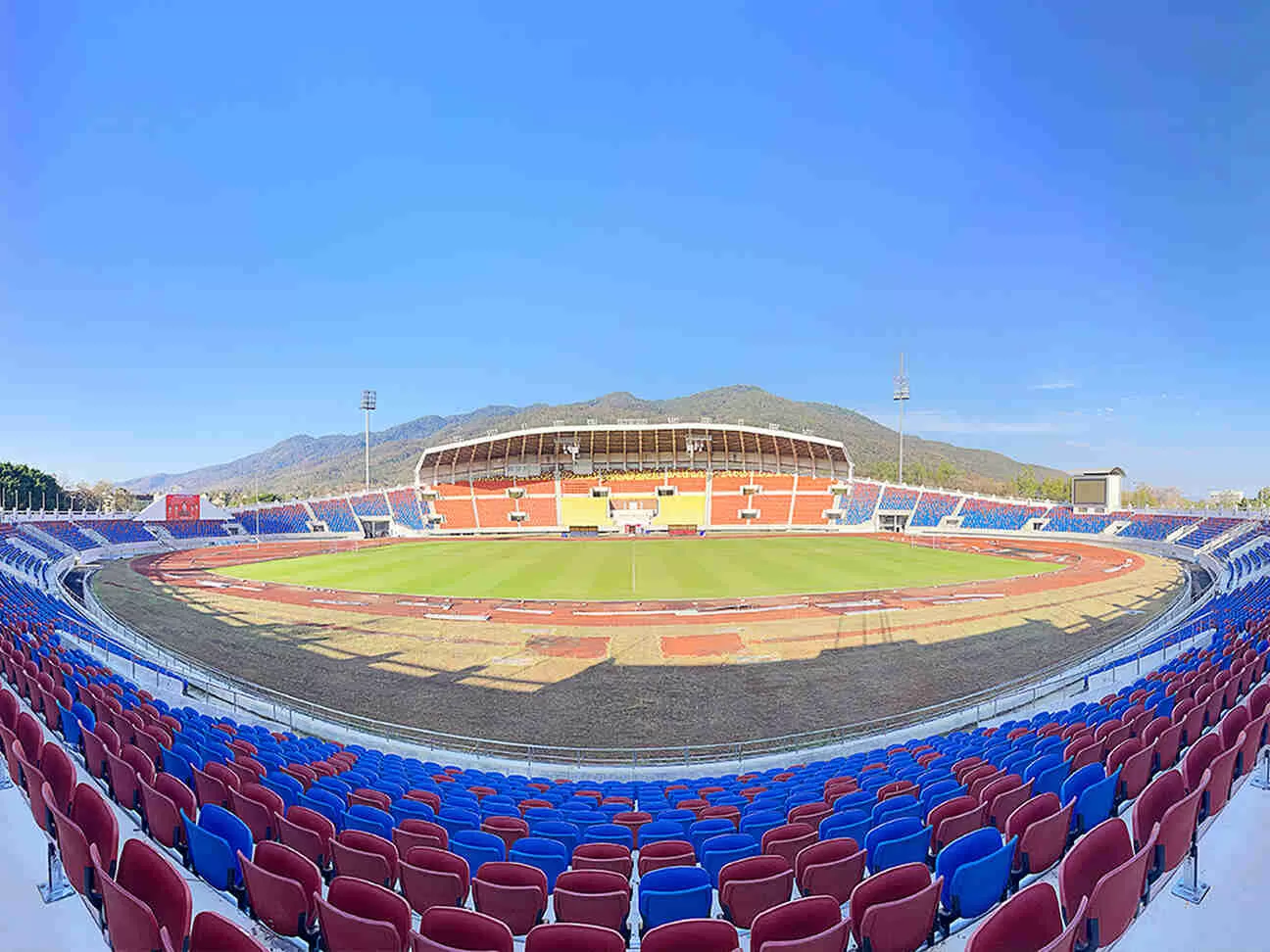
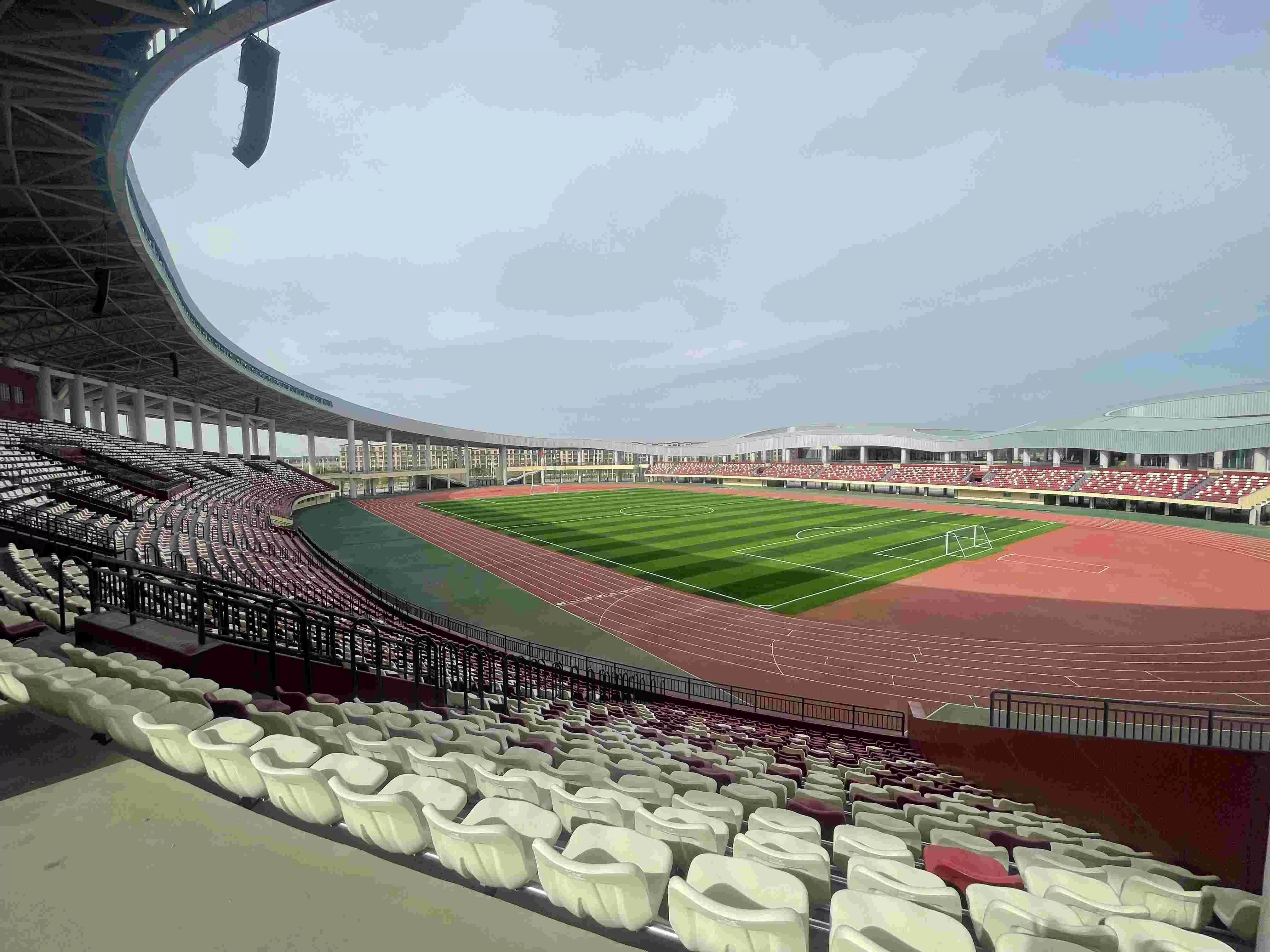
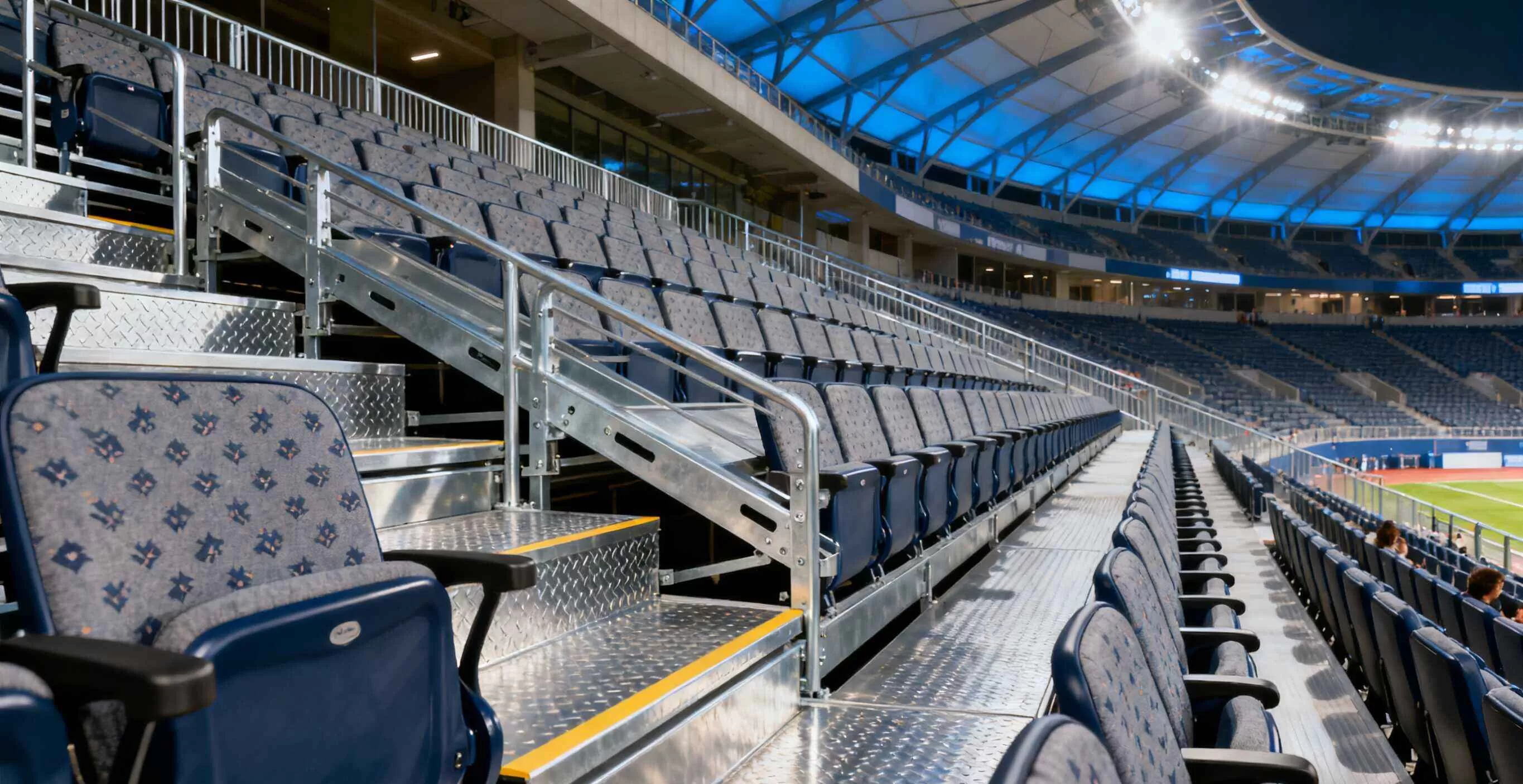
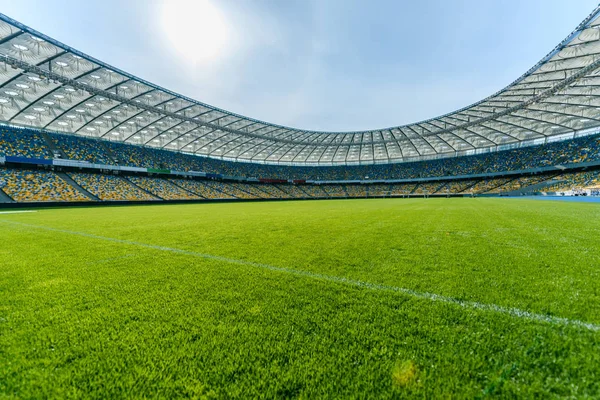
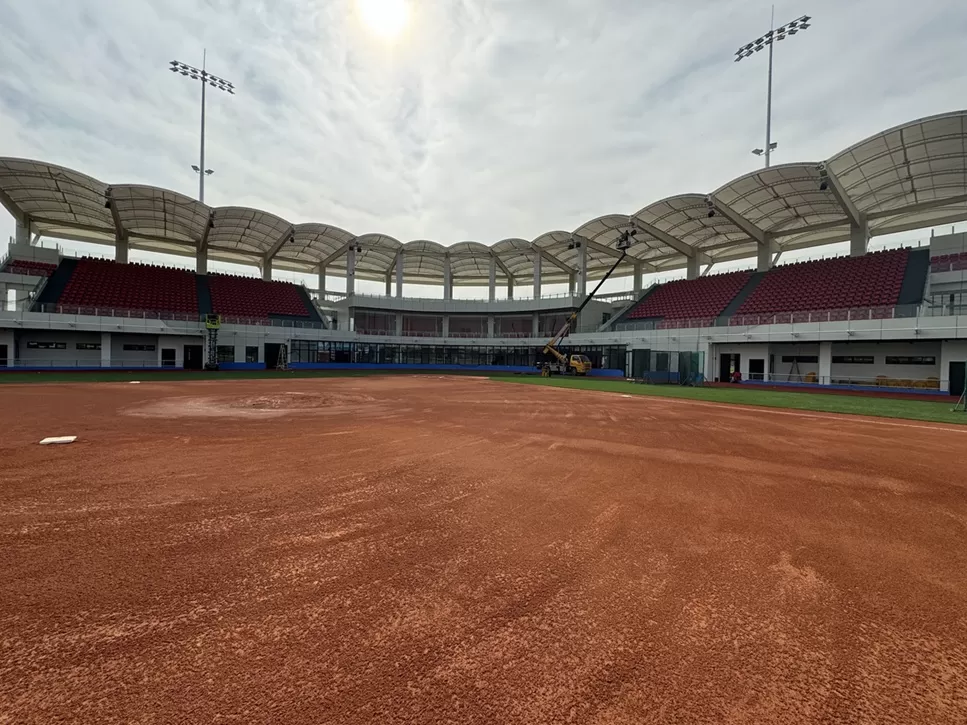
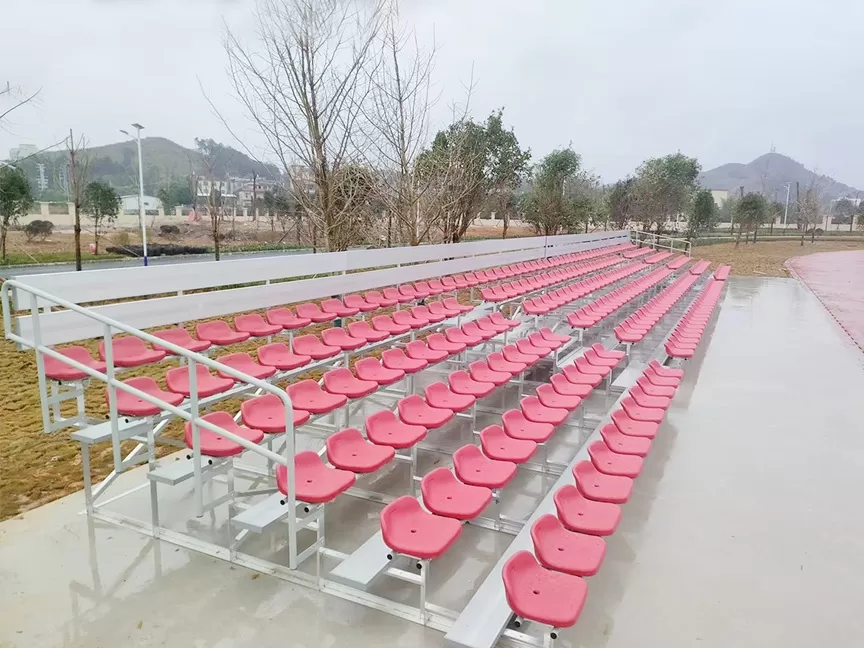
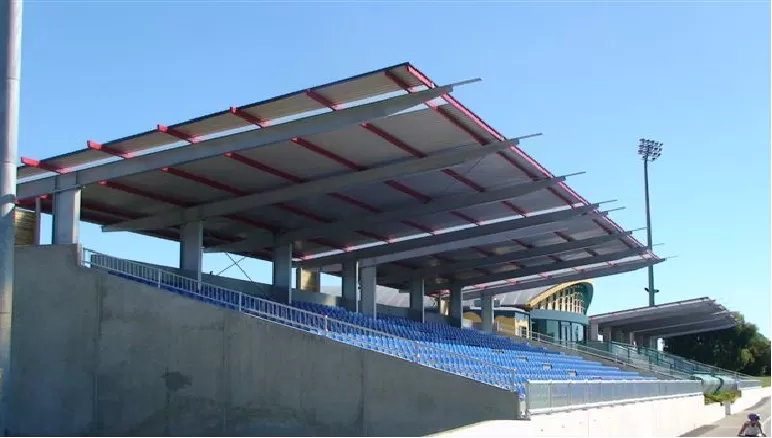
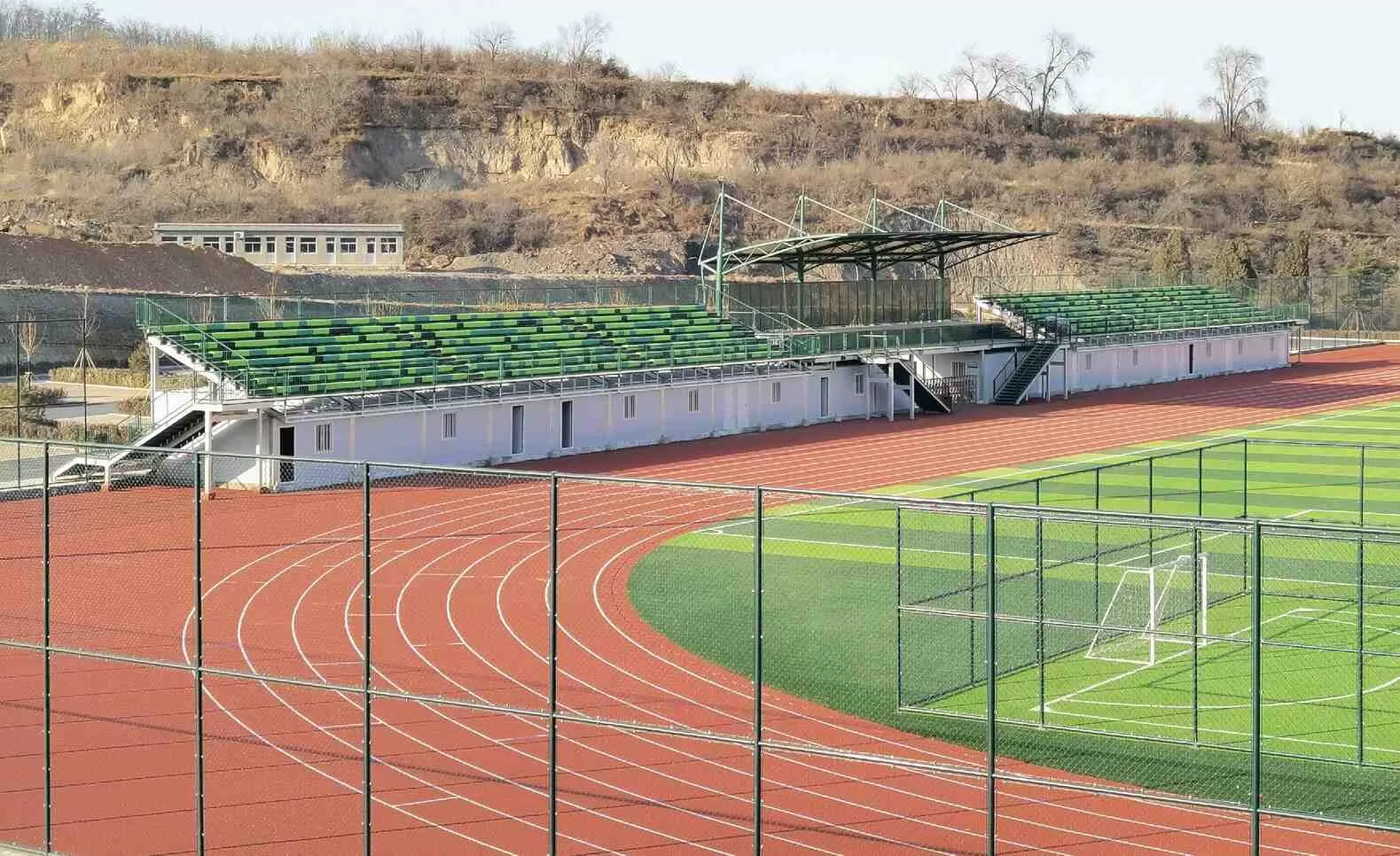
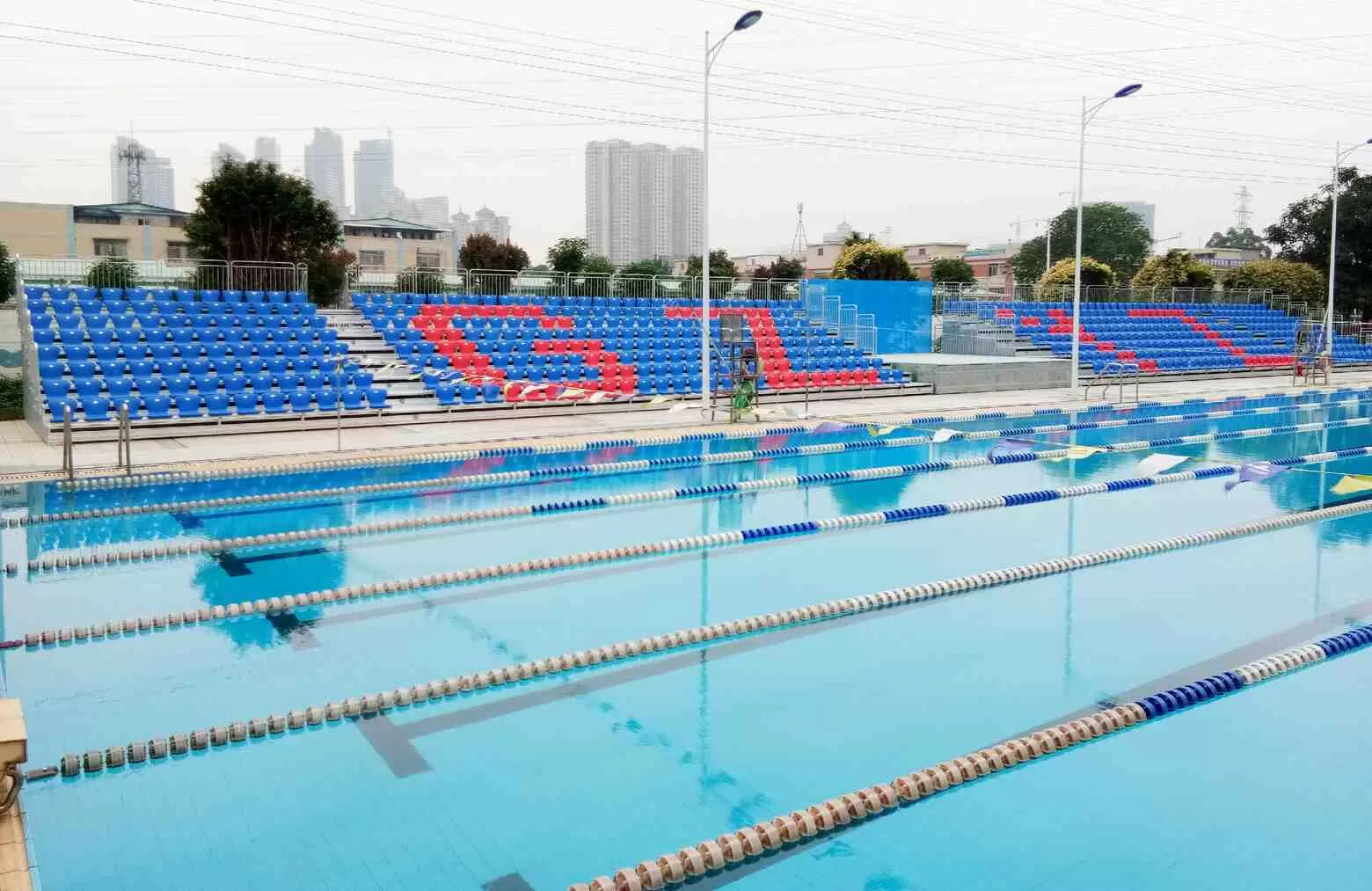
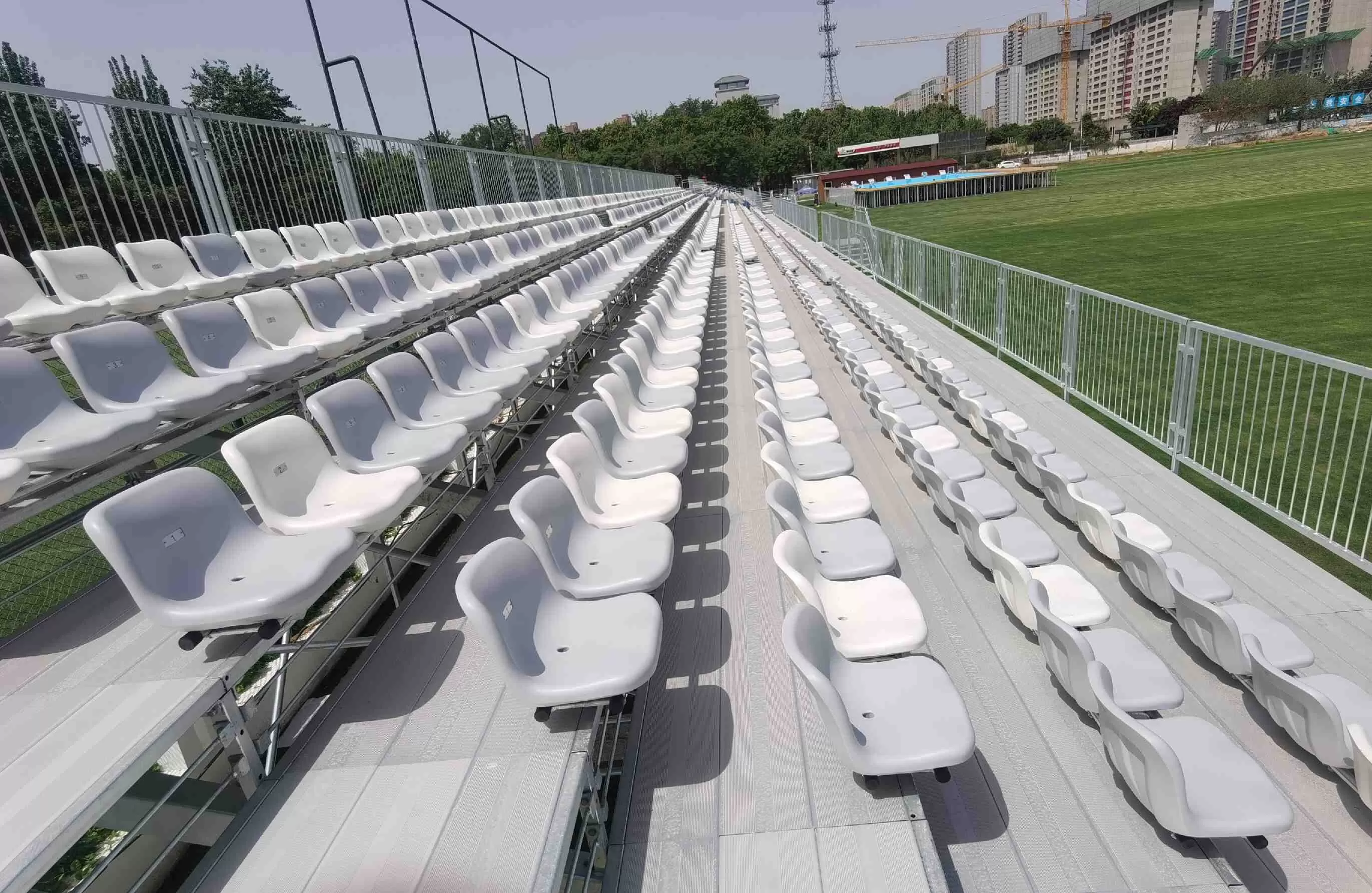
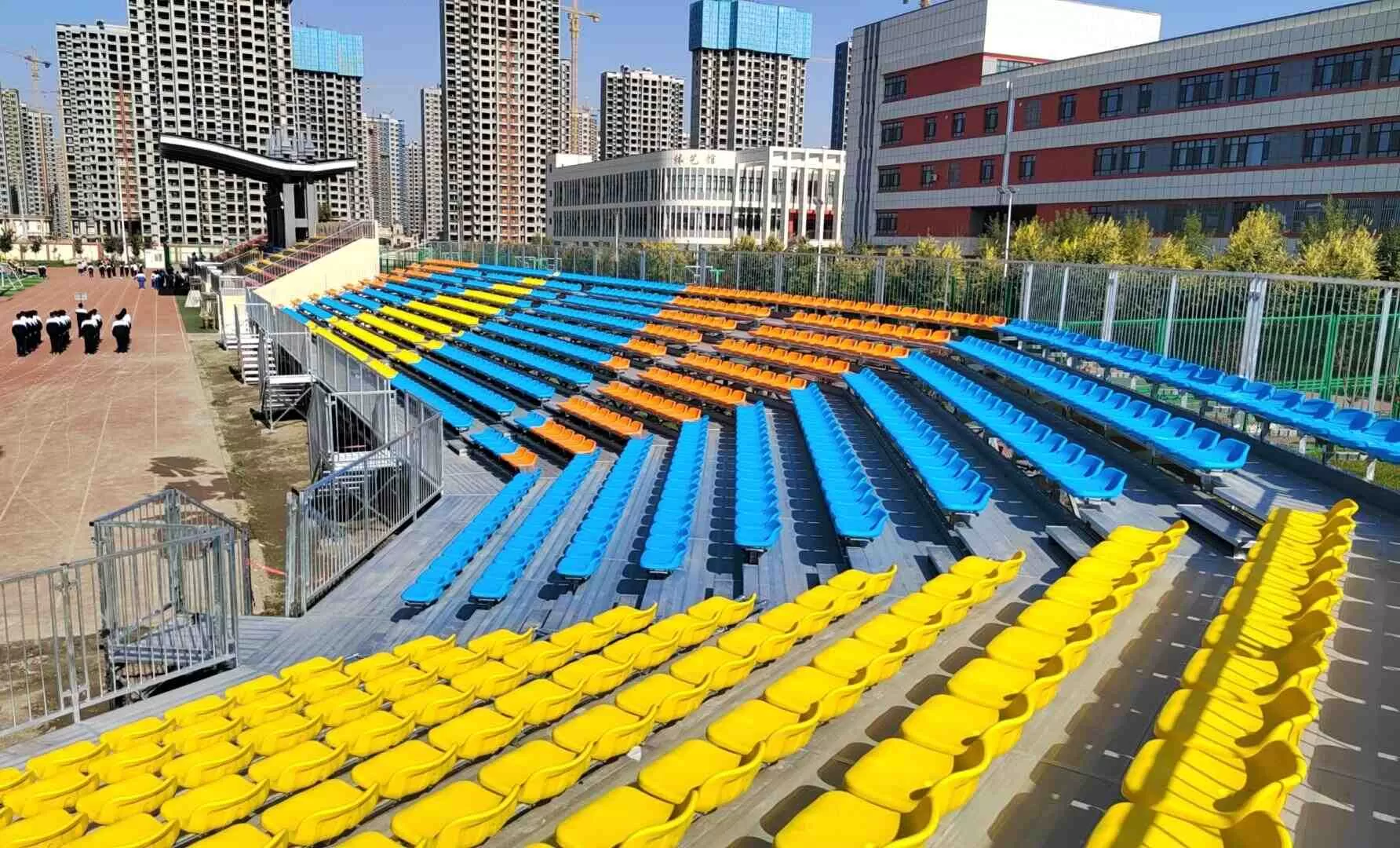
Outdoor Sports Venues (Football, Soccer, Baseball): Outdoor stadium bleachers need to withstand harsh weather conditions—UV rays, rain, extreme temperatures, and humidity. Opt for corrosion-resistant materials like aluminum or hot dip galvanizing steel, and look for features like anti-slip steps and water-drainage systems to prevent damage and ensure spectator safety.
-
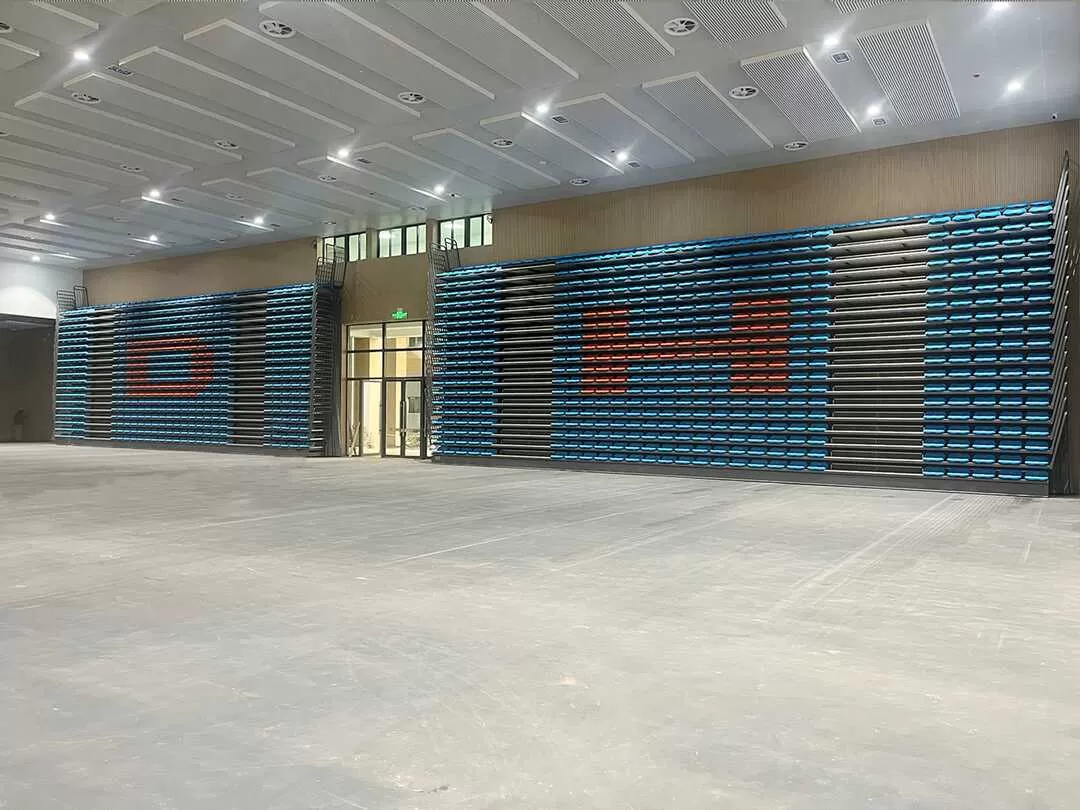
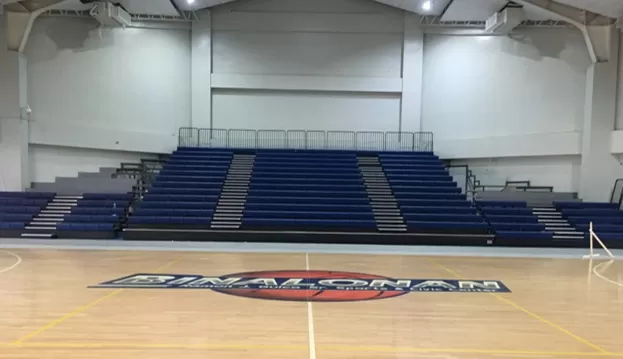
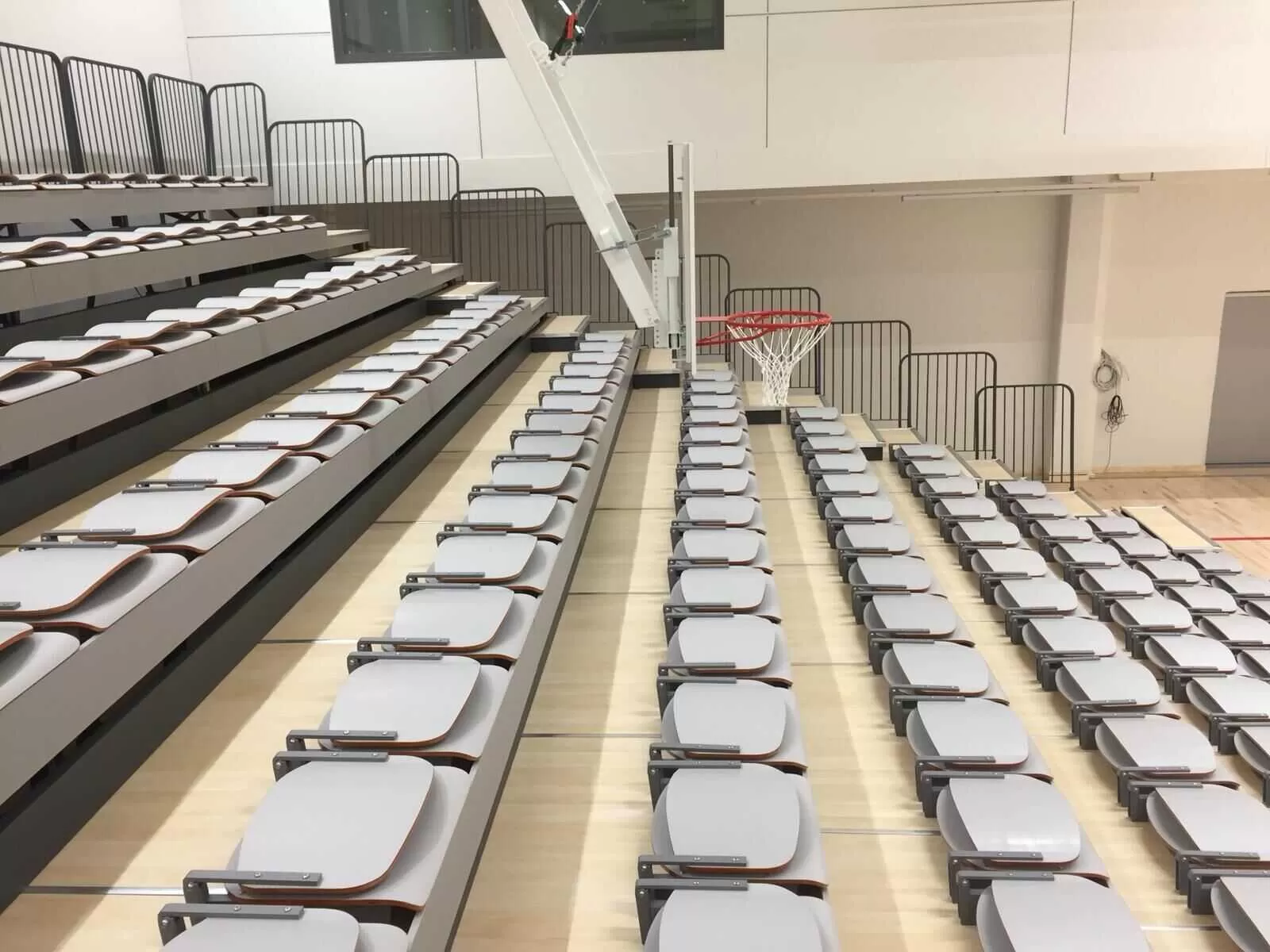
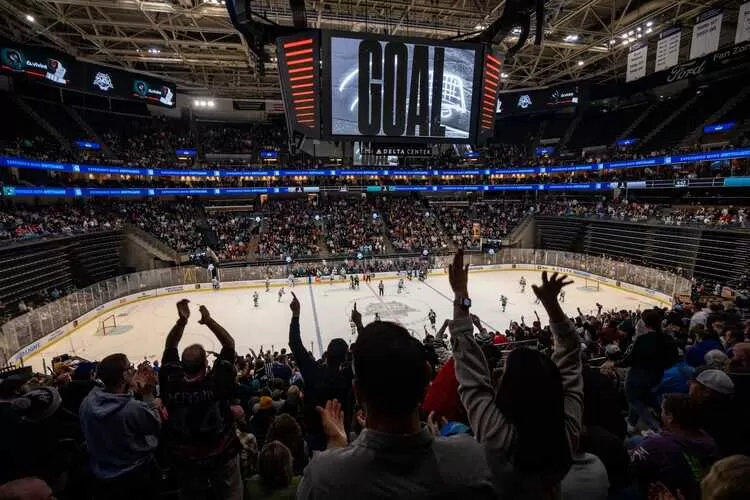
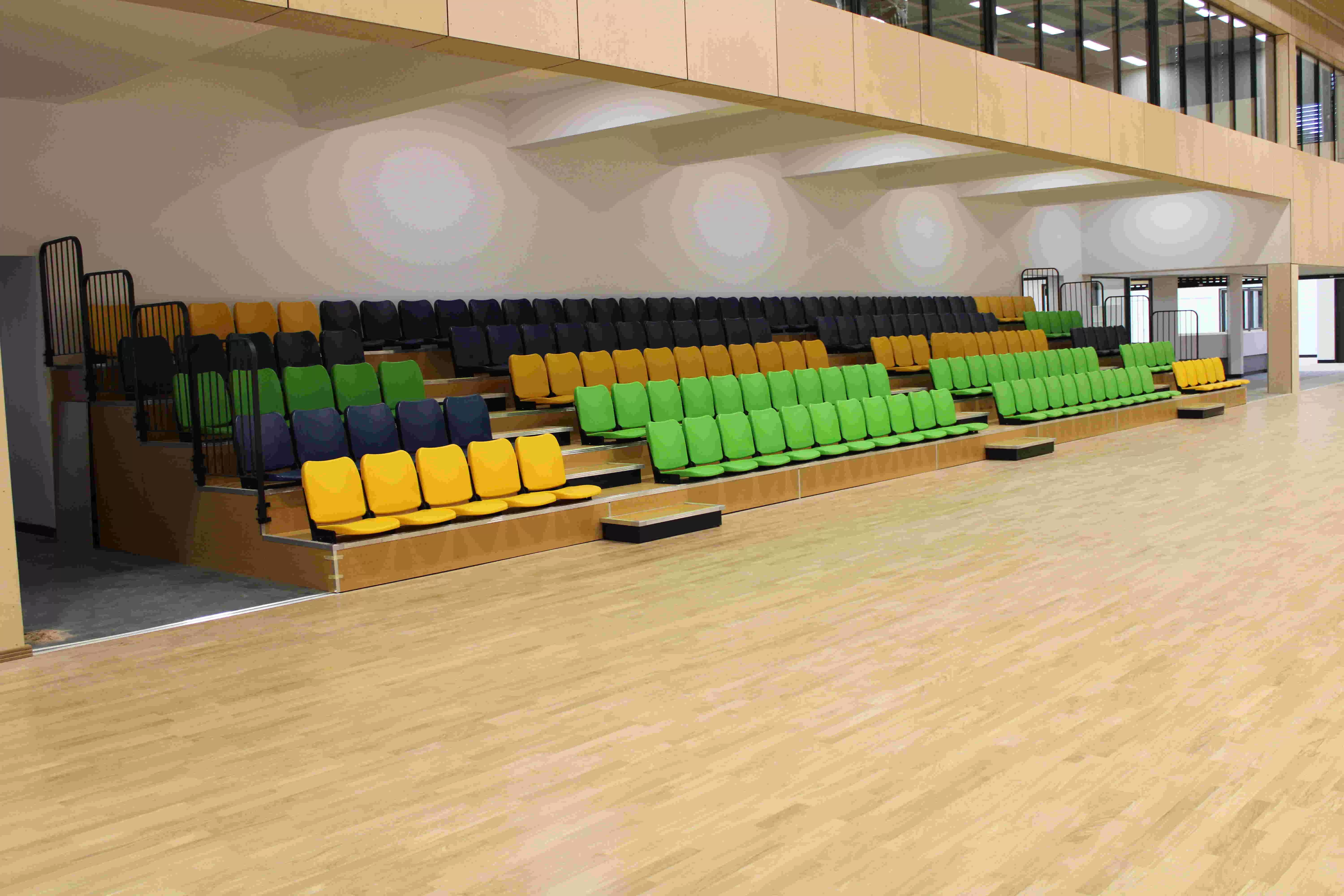
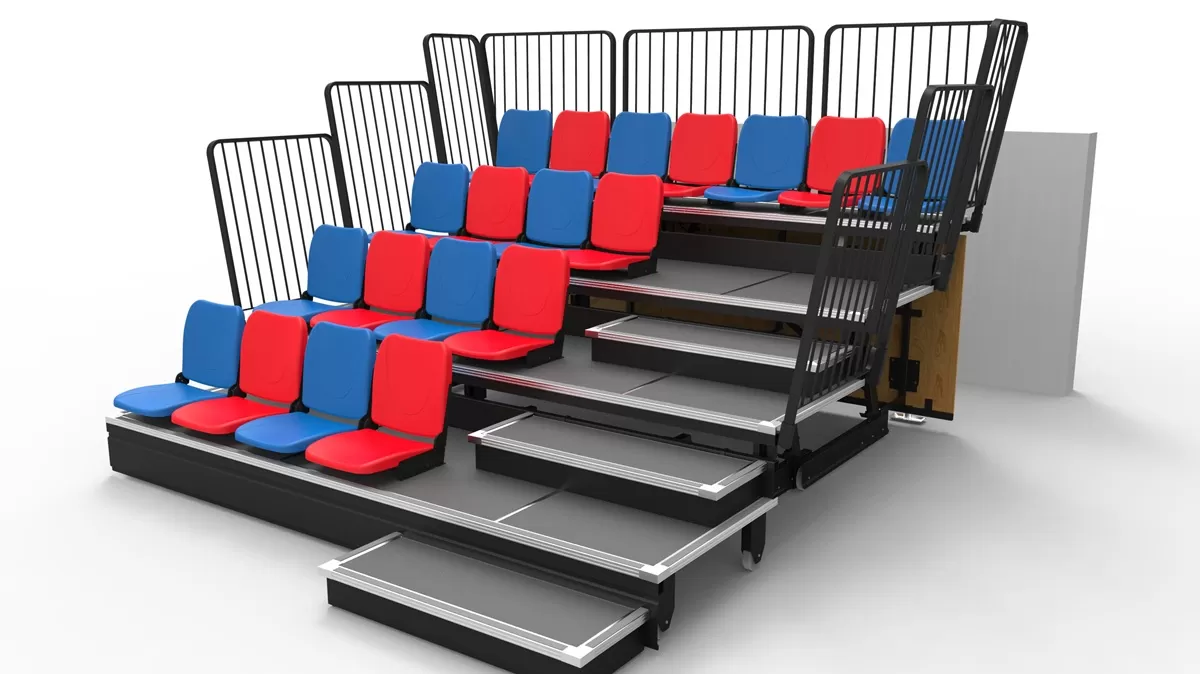
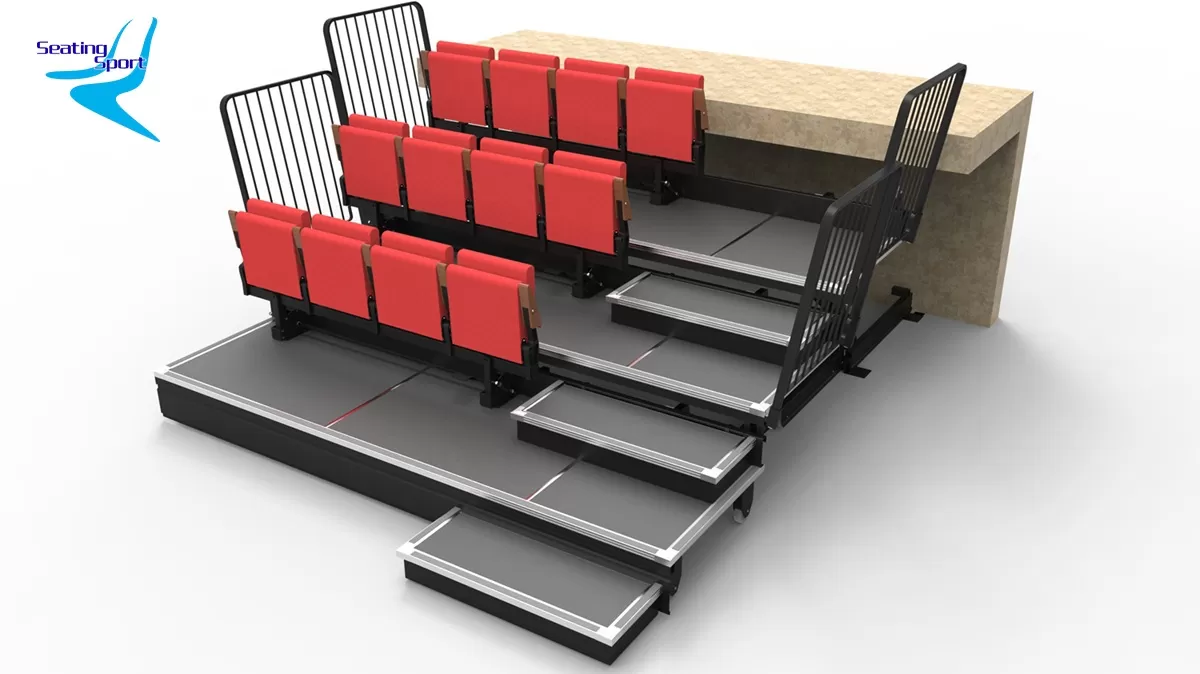
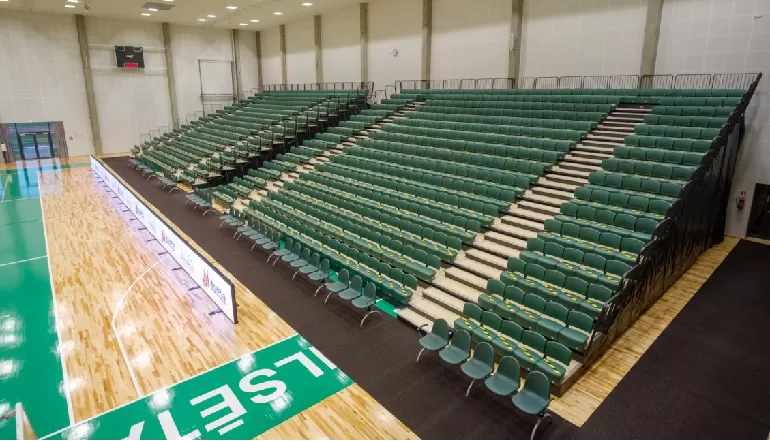
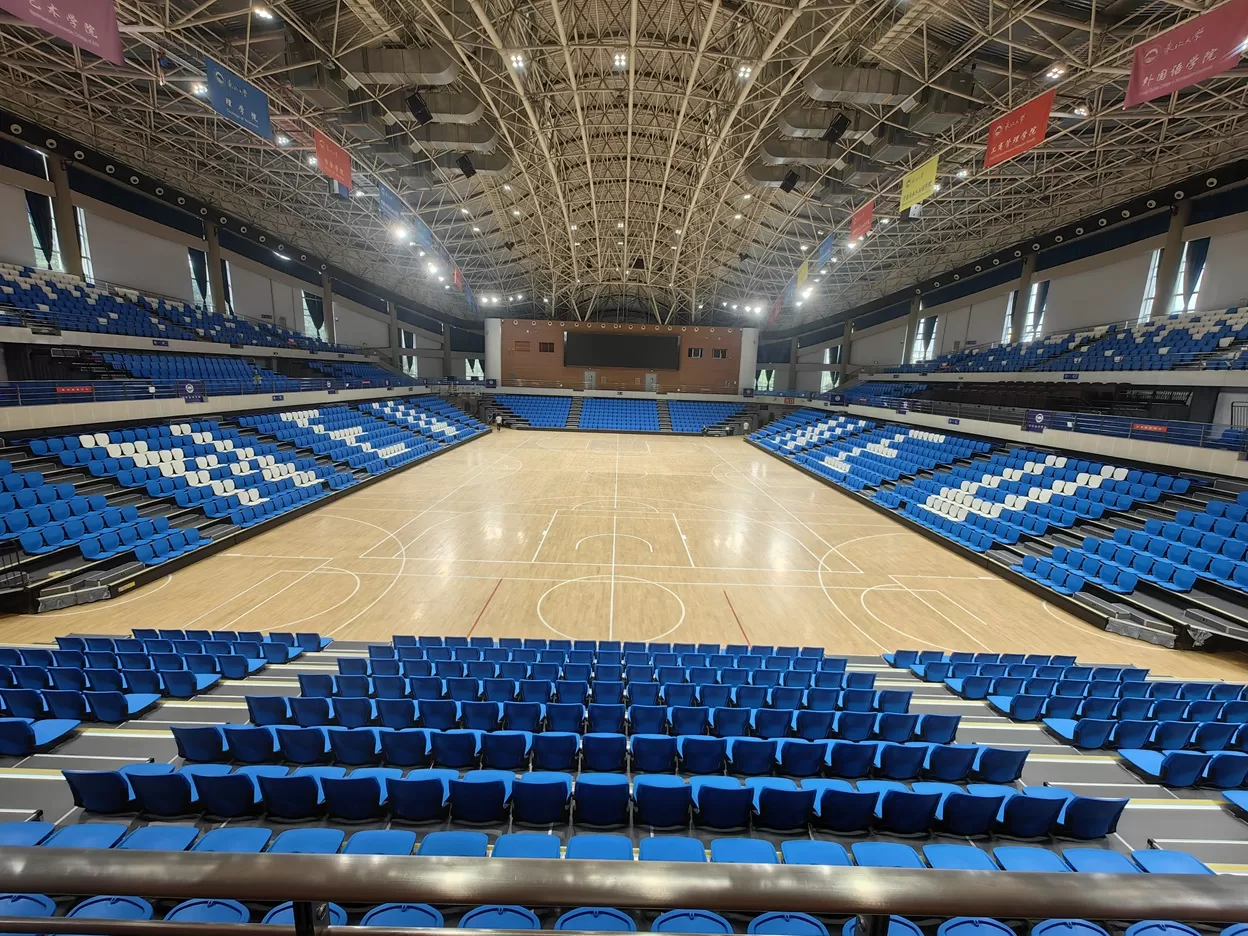
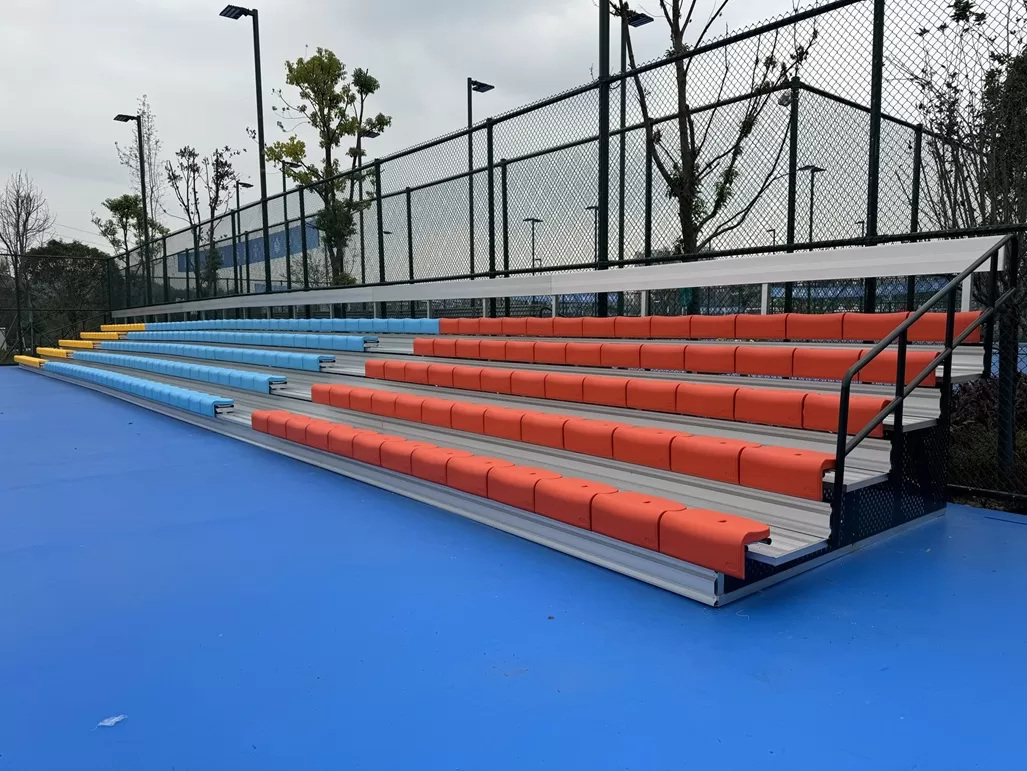
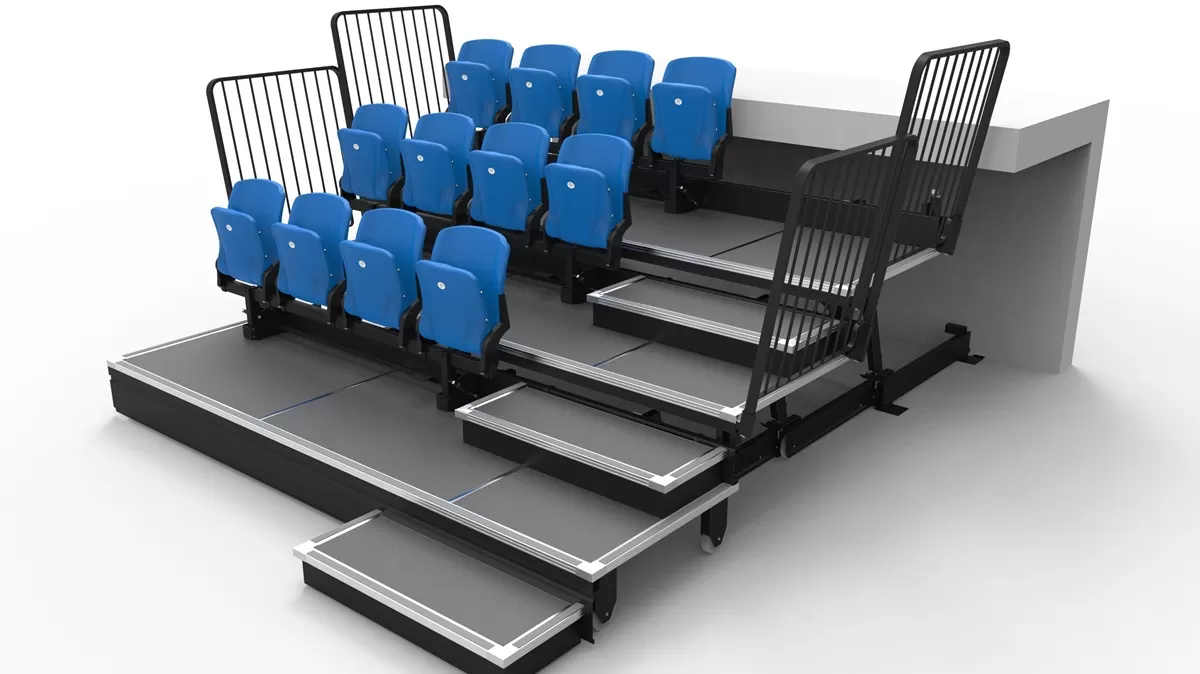
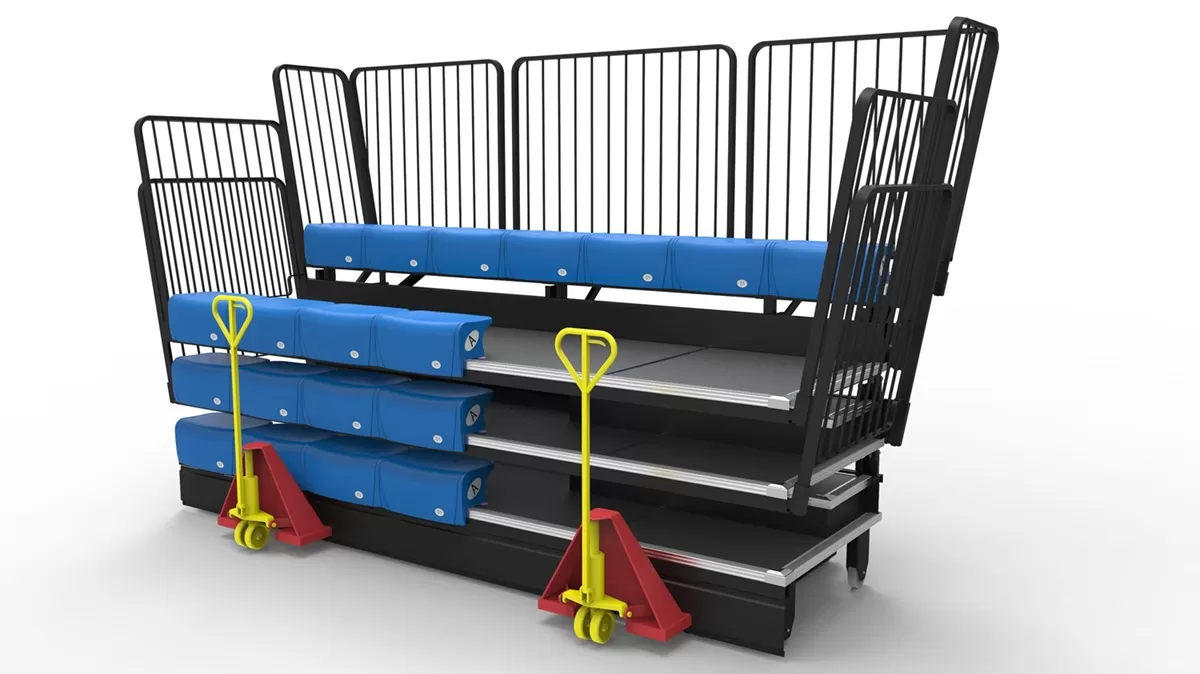
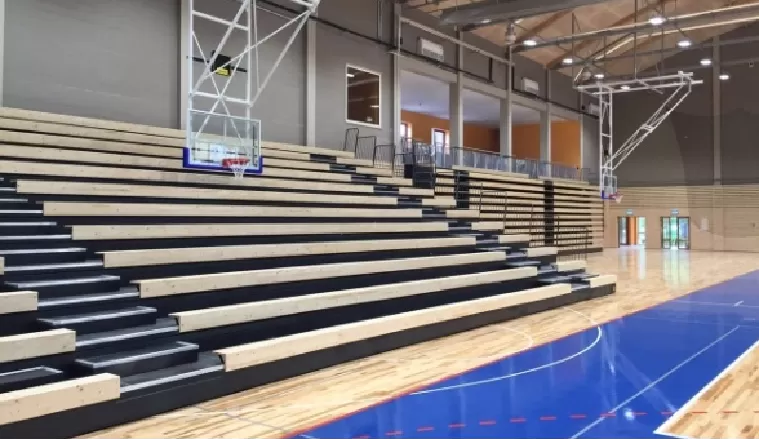
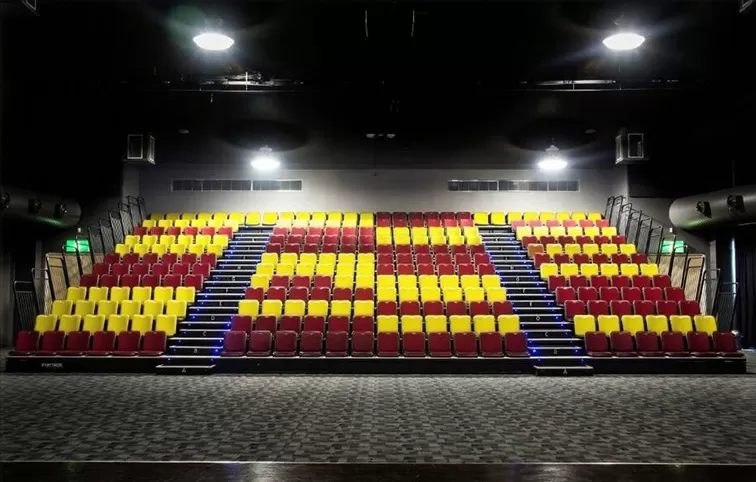
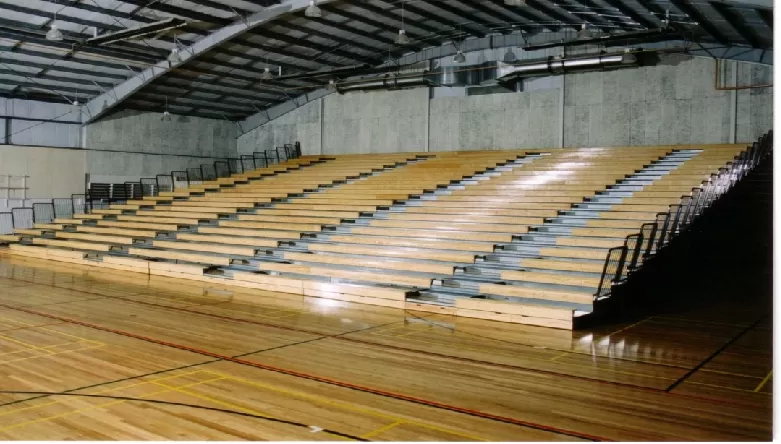
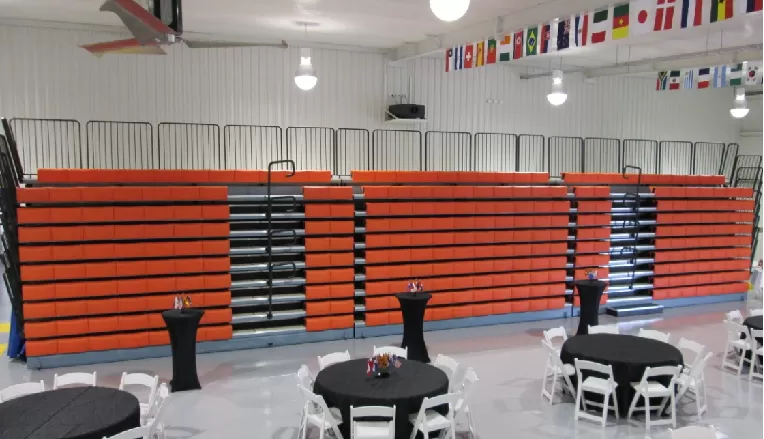
Indoor Venues (Gymnasiums, Indoor Arenas): Indoor stadium seating focuses more on space efficiency and versatility. Telescopic or folding bleachers are ideal here, as they can be retracted when not in use to free up space for other activities (e.g., basketball games, assemblies, or concerts). Modular bleachers also work well for indoor spaces, as they can be customized to fit varying capacities.
-
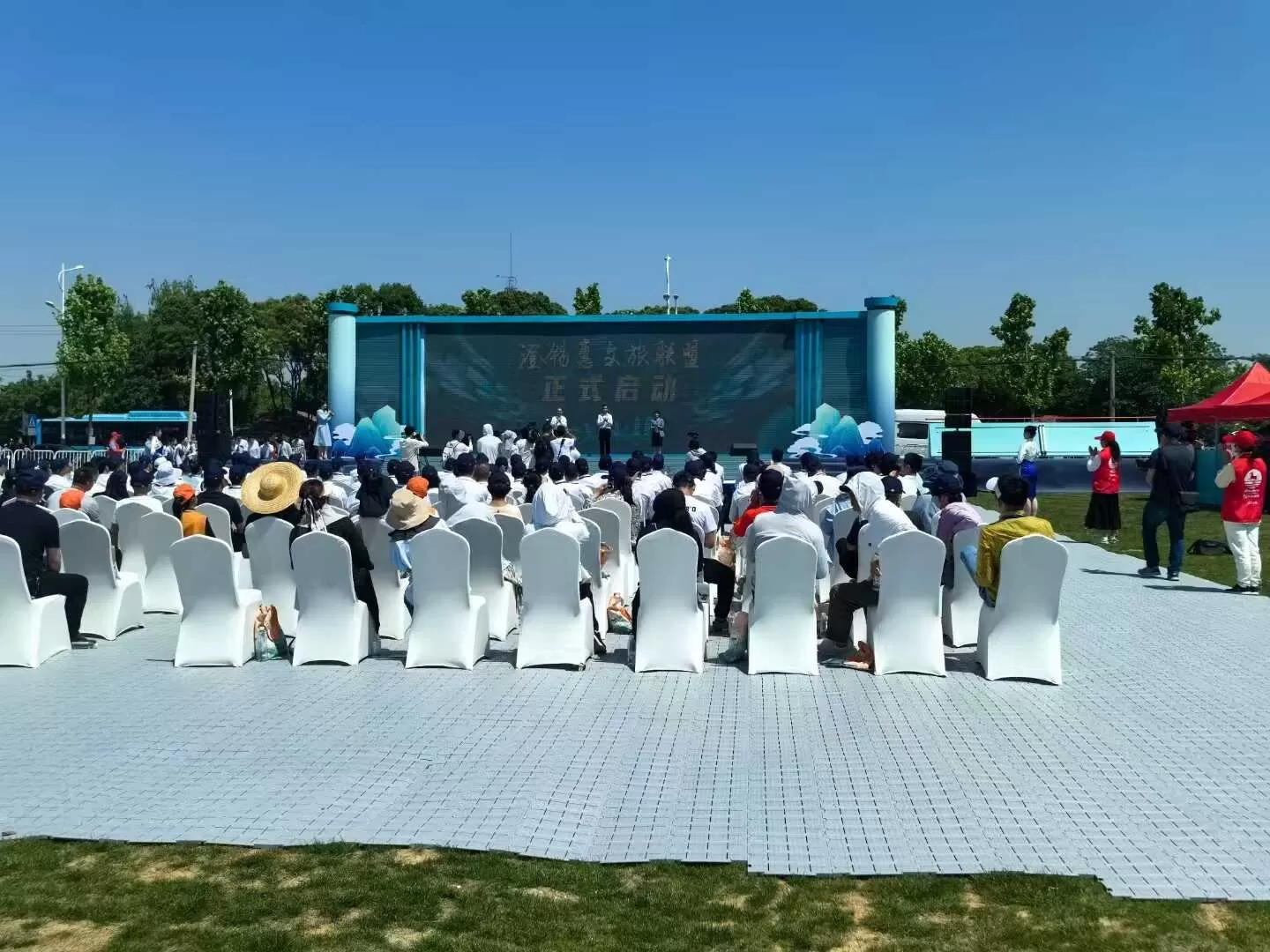
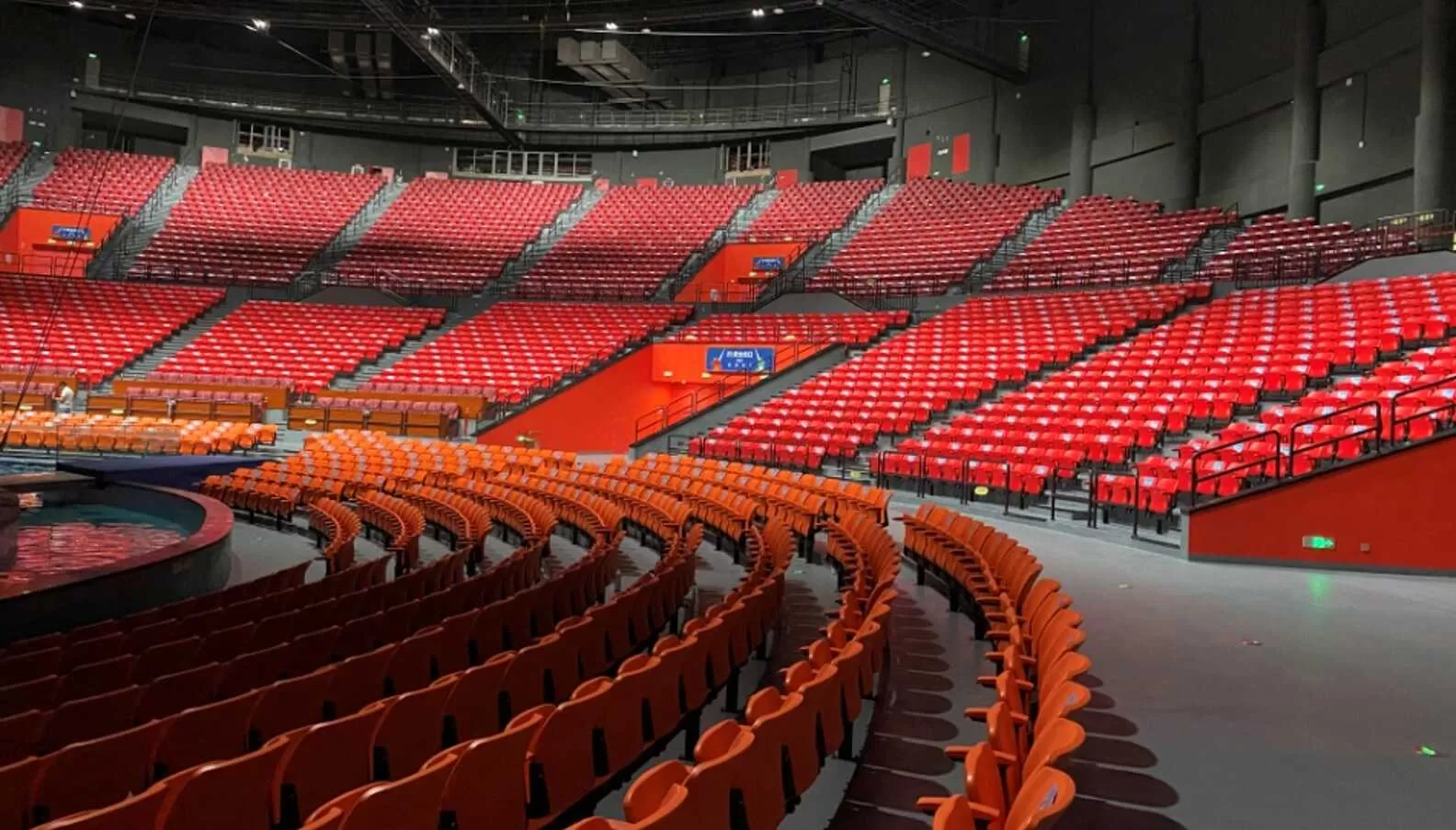
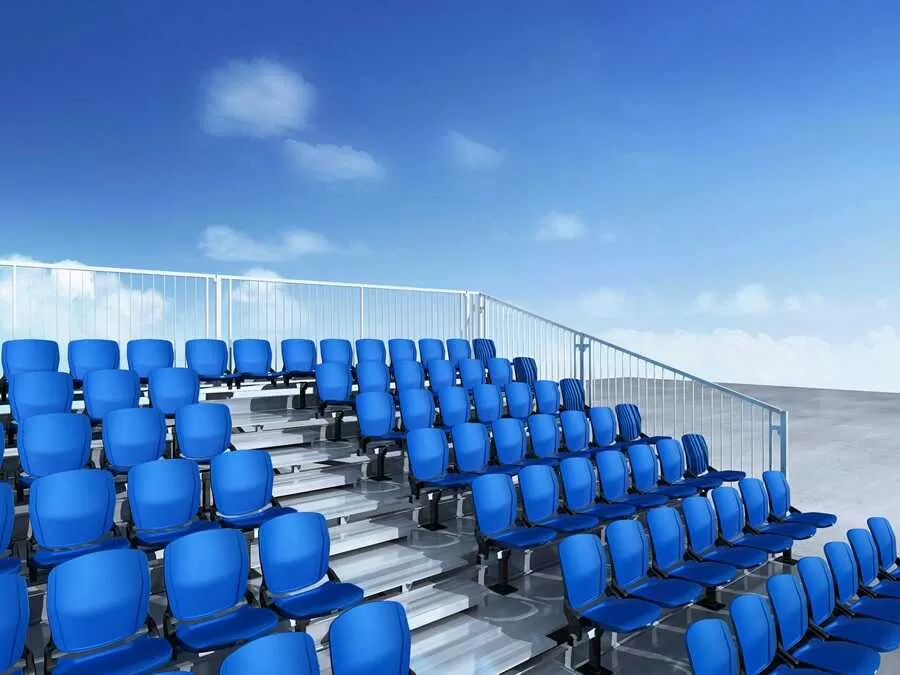
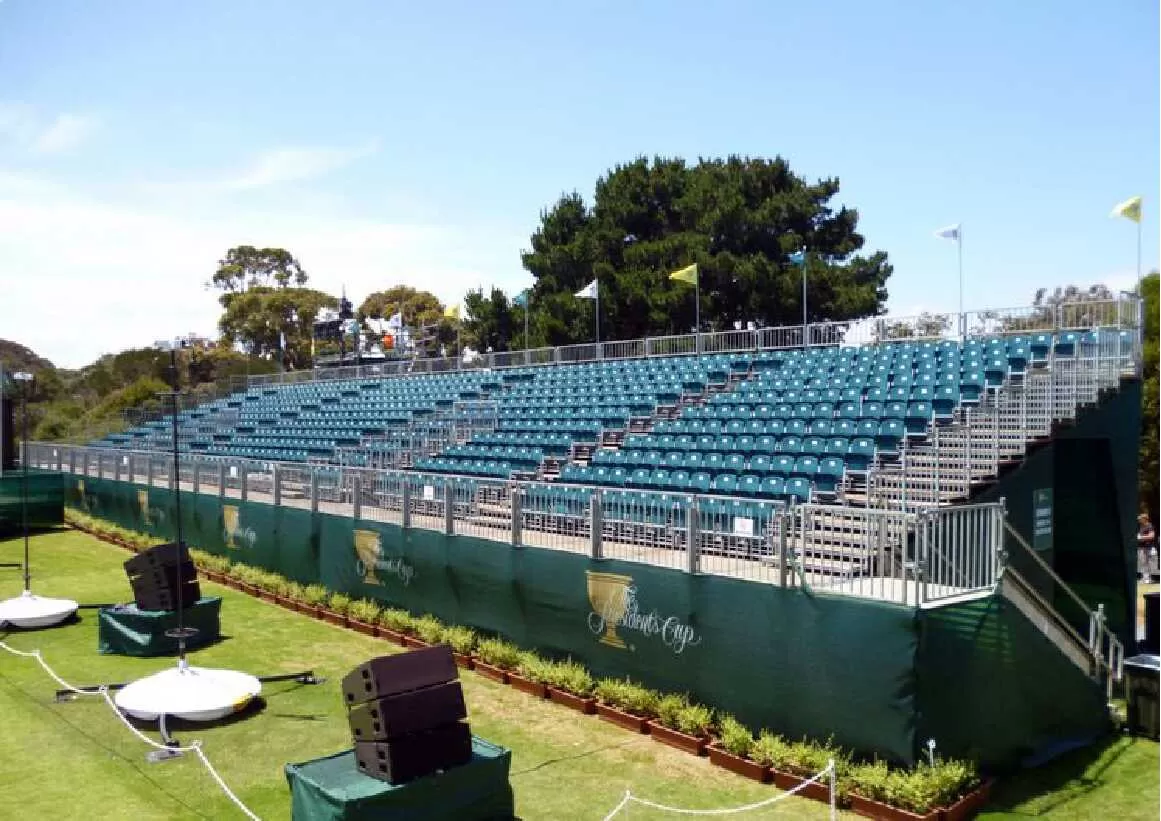
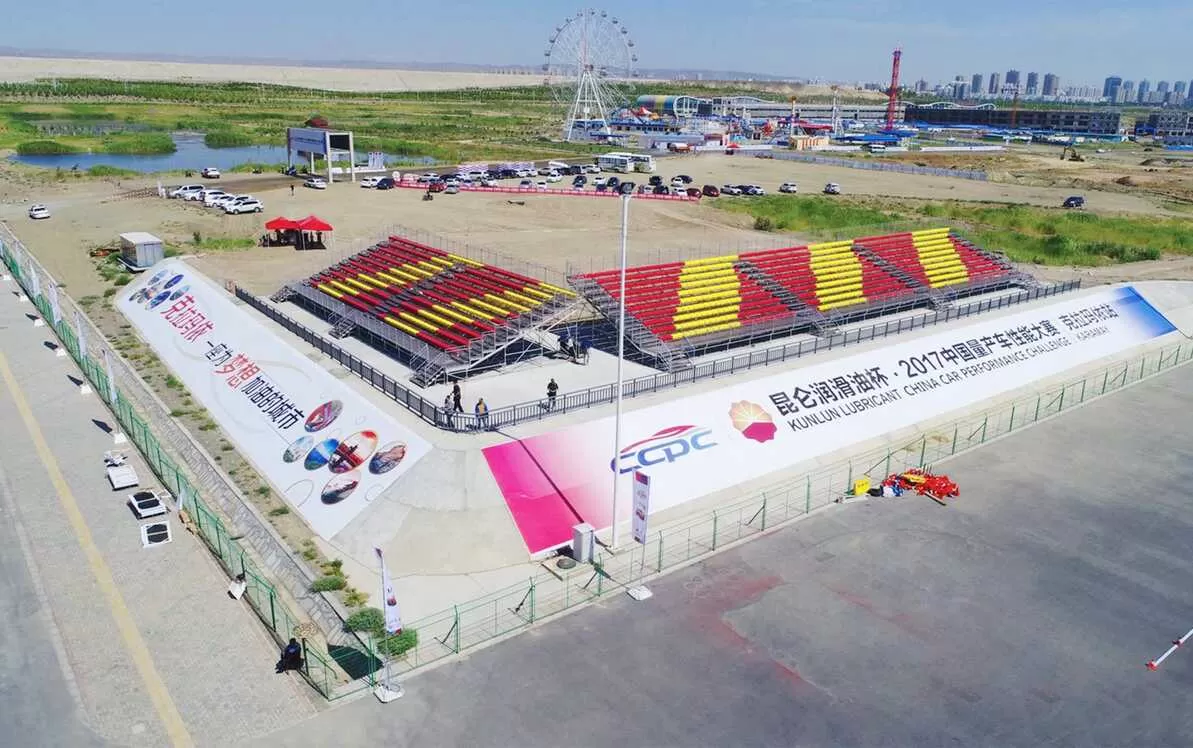
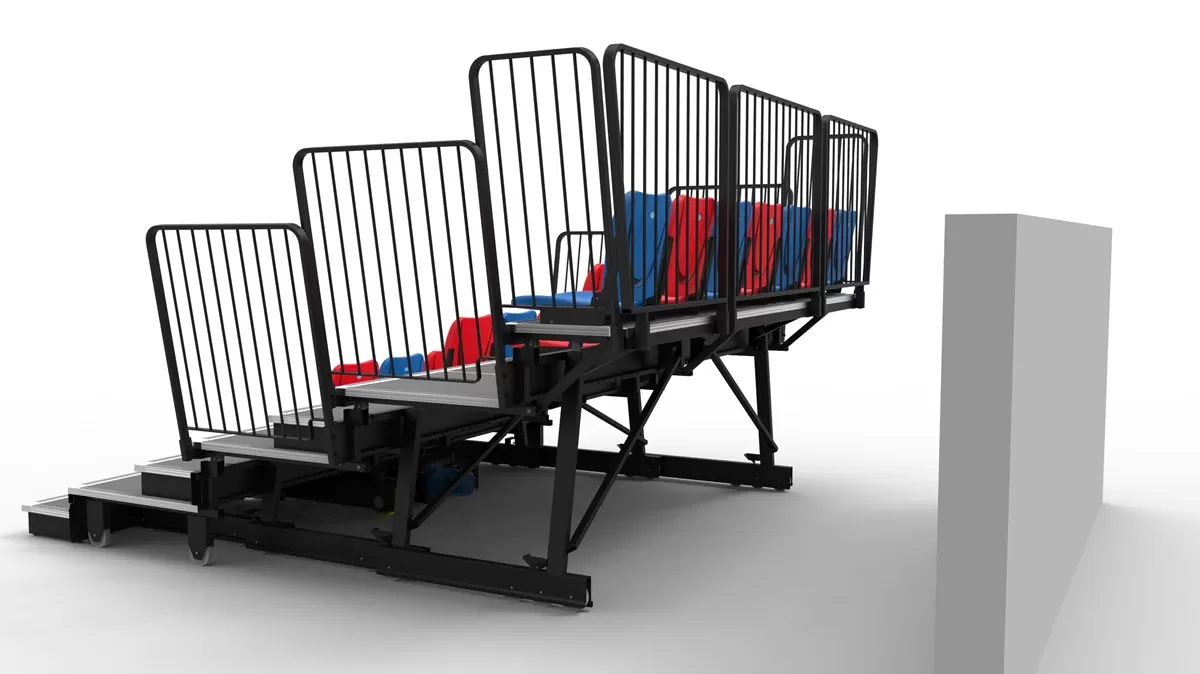
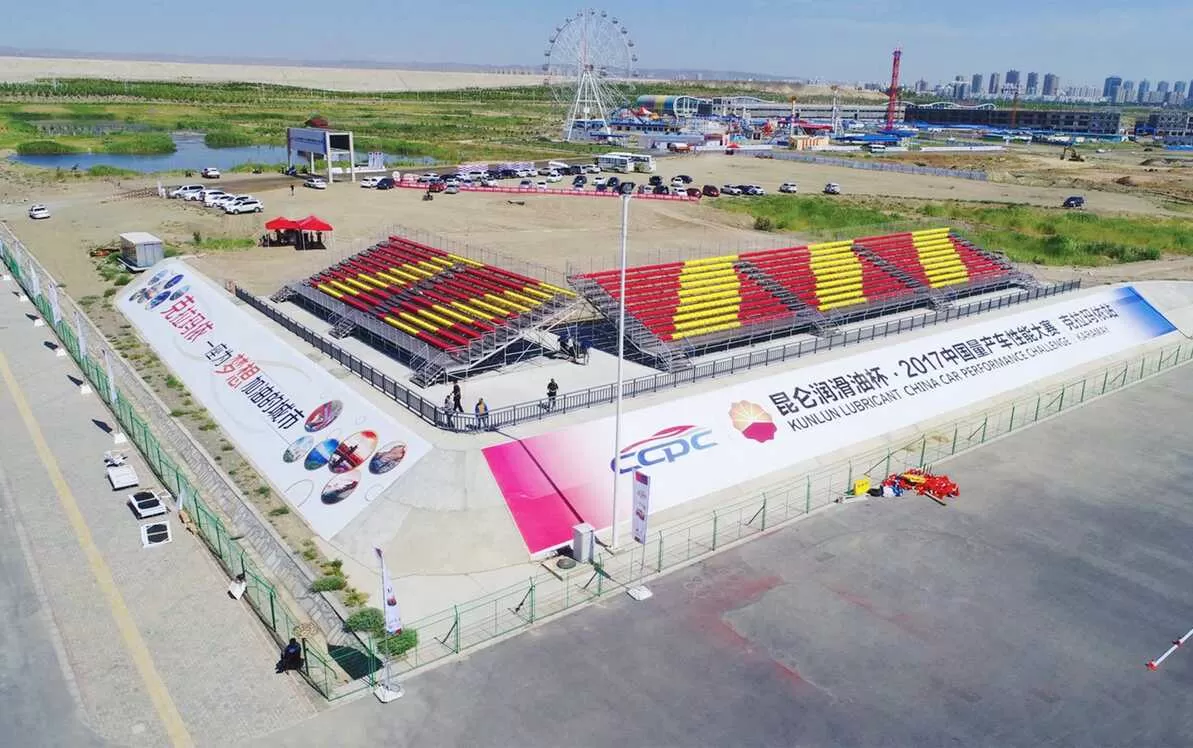
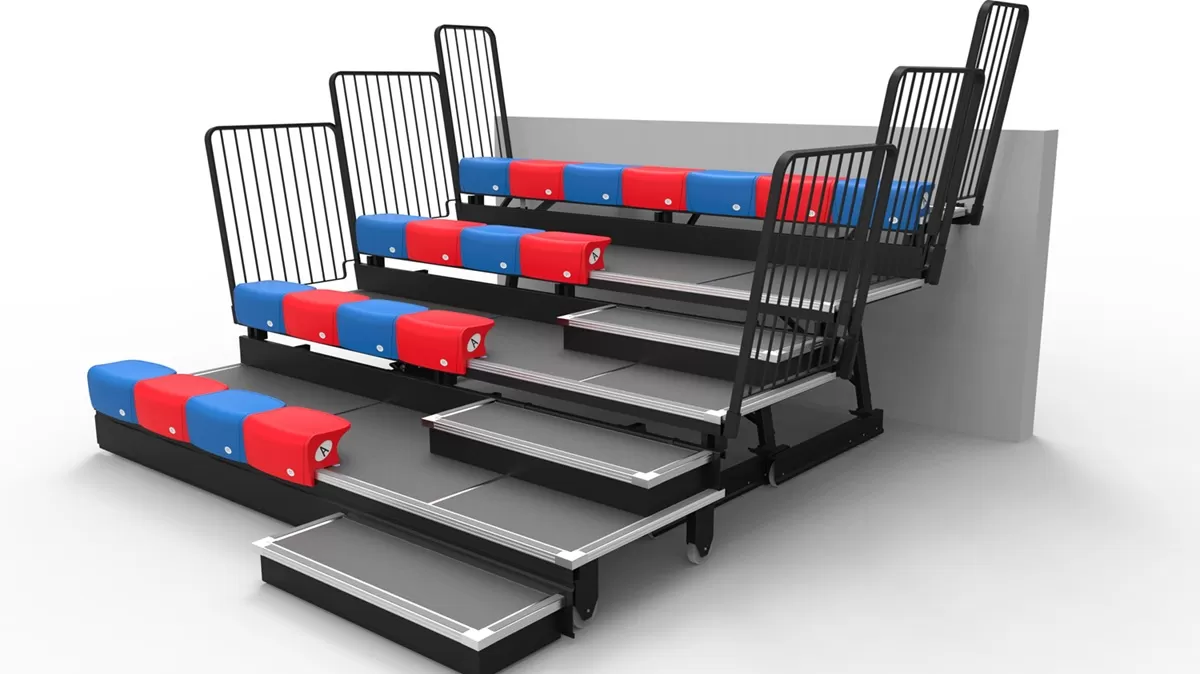
Multi-Purpose Venues: If your venue hosts a mix of sports, concerts, and community events, portable stadium bleachers or modular grandstand seating are the most flexible options. These can be easily moved, reconfigured, or expanded to accommodate different crowd sizes and event types.
2. Material Selection: Durability & Cost-Effectiveness
The material of your stadium bleachers directly impacts their lifespan, maintenance needs, and overall cost. The three most common materials for sports bleachers are aluminum, steel, and plastic—each with its own advantages and ideal use cases:
-
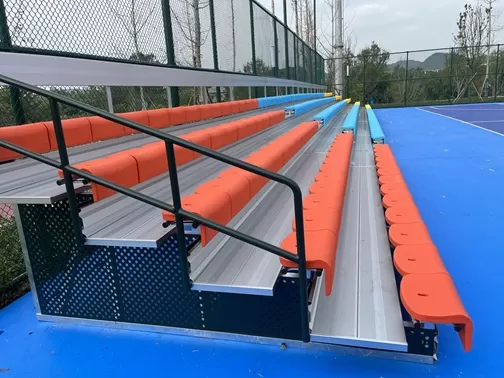
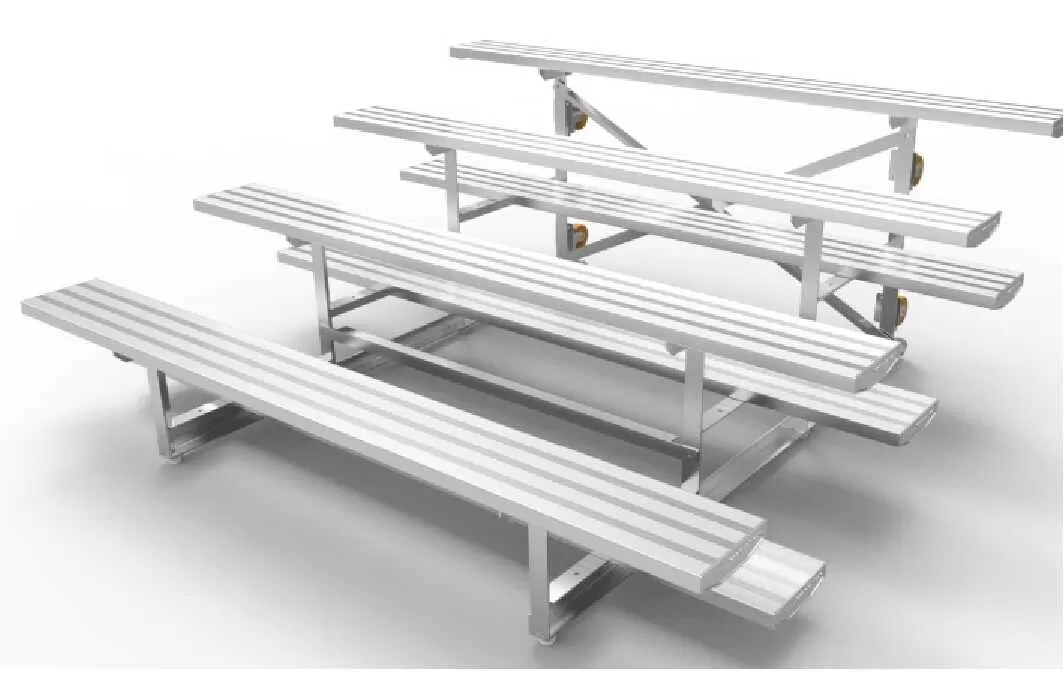
Aluminum Bleachers: The most popular choice for both indoor and outdoor venues, aluminum bleachers are lightweight, corrosion-resistant, and low-maintenance. They are easy to install (even for portable or telescopic models) and offer excellent durability, making them a cost-effective long-term investment. Aluminum telescopic bleachers are particularly popular for schools and multi-purpose arenas due to their versatility.
-
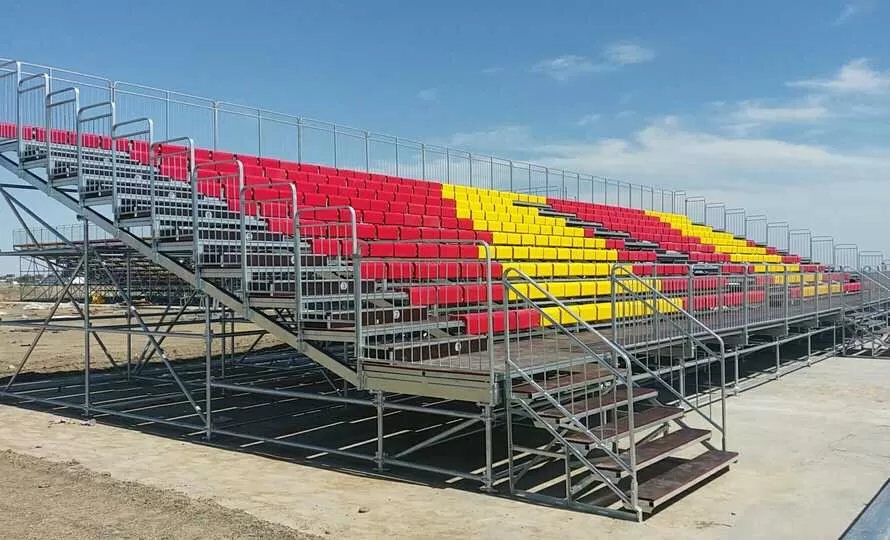
Steel Bleachers: Steel bleachers are known for their strength and high load capacity, making them ideal for large-capacity stadiums or venues that host heavy crowds regularly. They are often powder-coated to resist corrosion, but they require more maintenance than aluminum (e.g., checking for rust) and are heavier, so they are best suited for fixed seating installations.
-
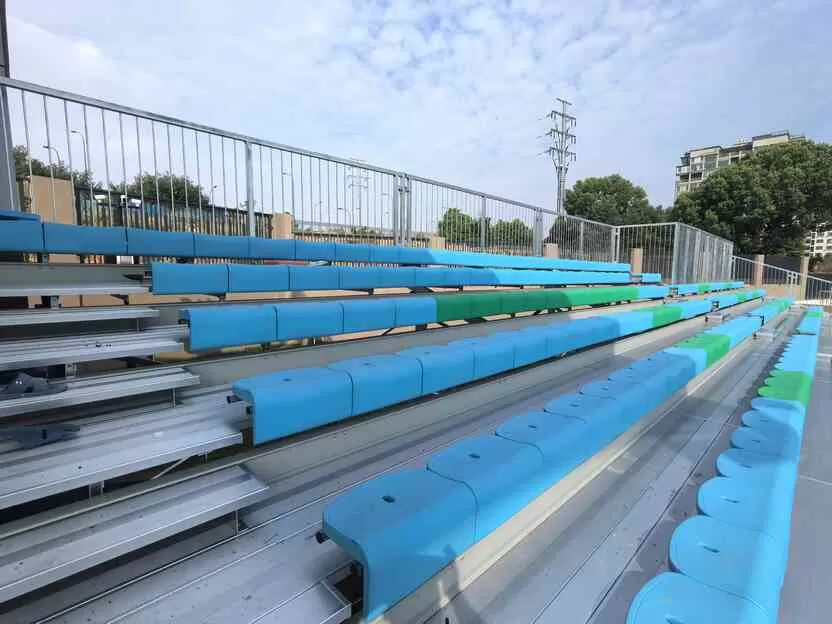
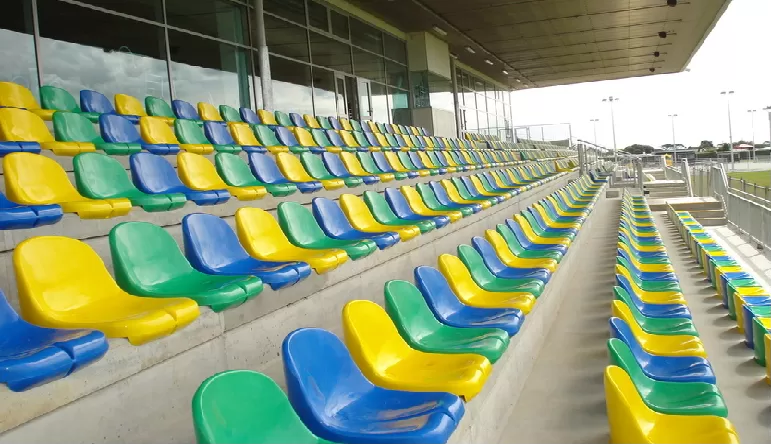
Portable Bleachers: Portable bleachers are affordable, lightweight, and easy to clean, making them a good choice for small venues, youth sports facilities, or temporary events.
3. Capacity & Sightline Optimization
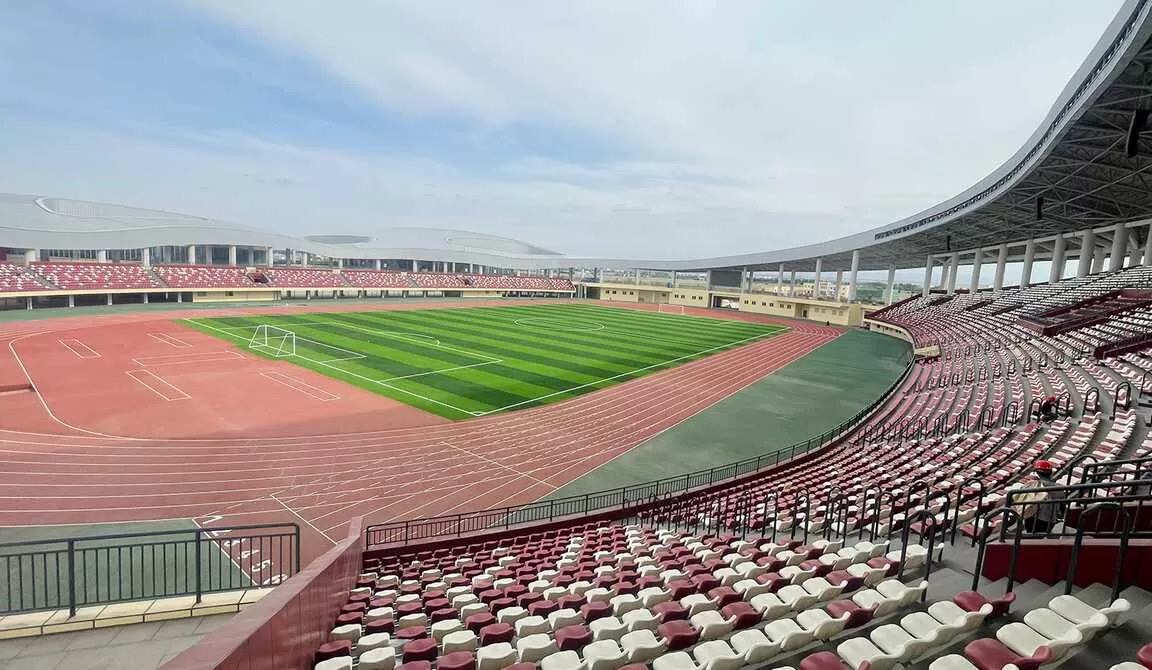
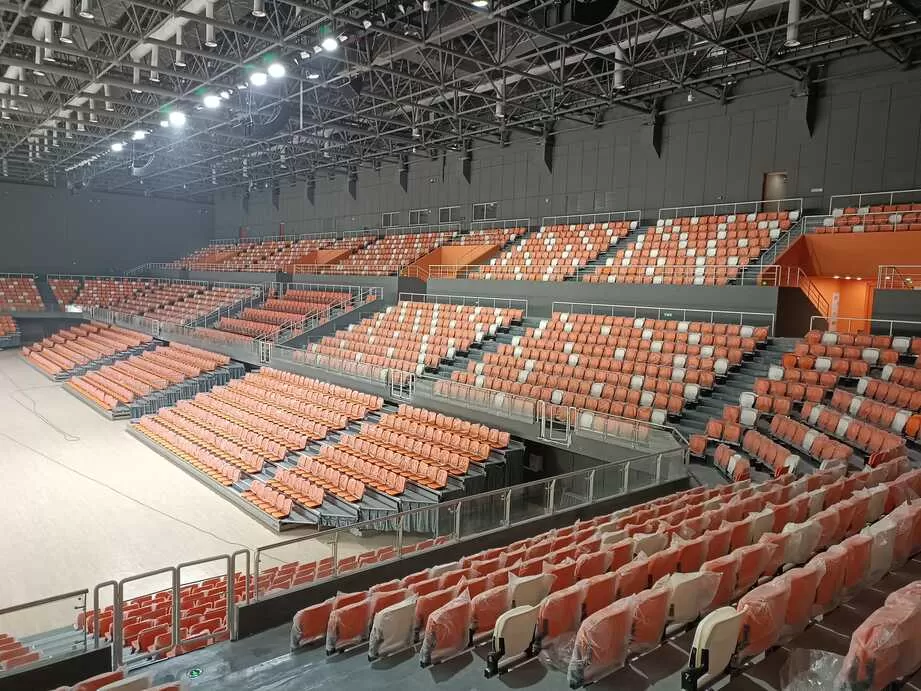
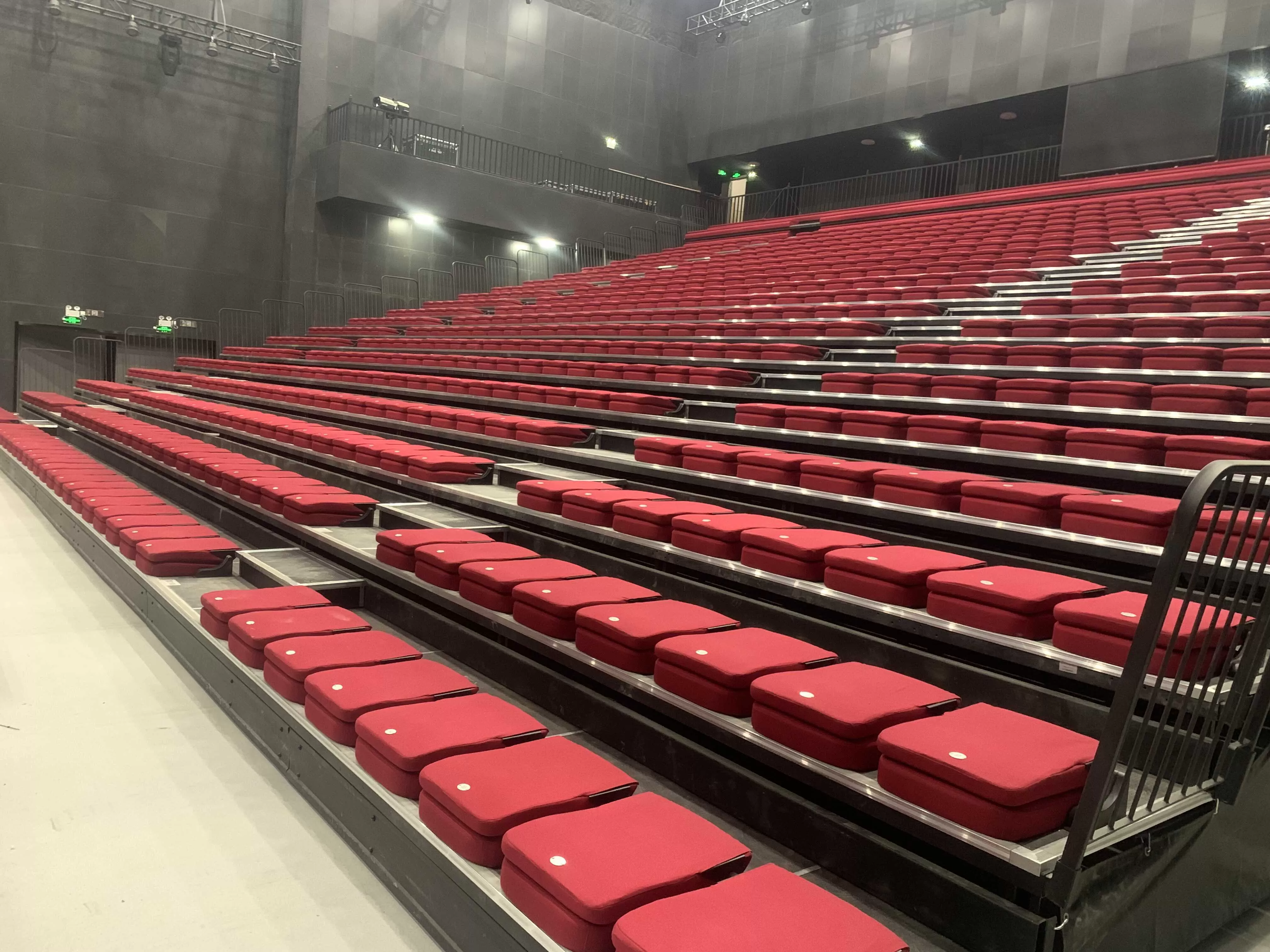
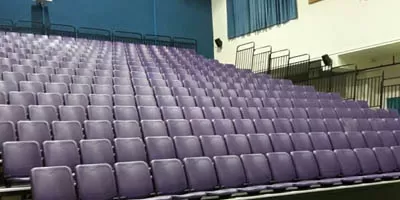
Spectator experience is key to the success of any sports venue—and sightline is one of the most critical factors. When selecting stadium bleachers, ensure that the design provides unobstructed views for every spectator, regardless of their seat location. This means choosing bleachers with a tiered design (each row higher than the one in front) and appropriate row spacing.
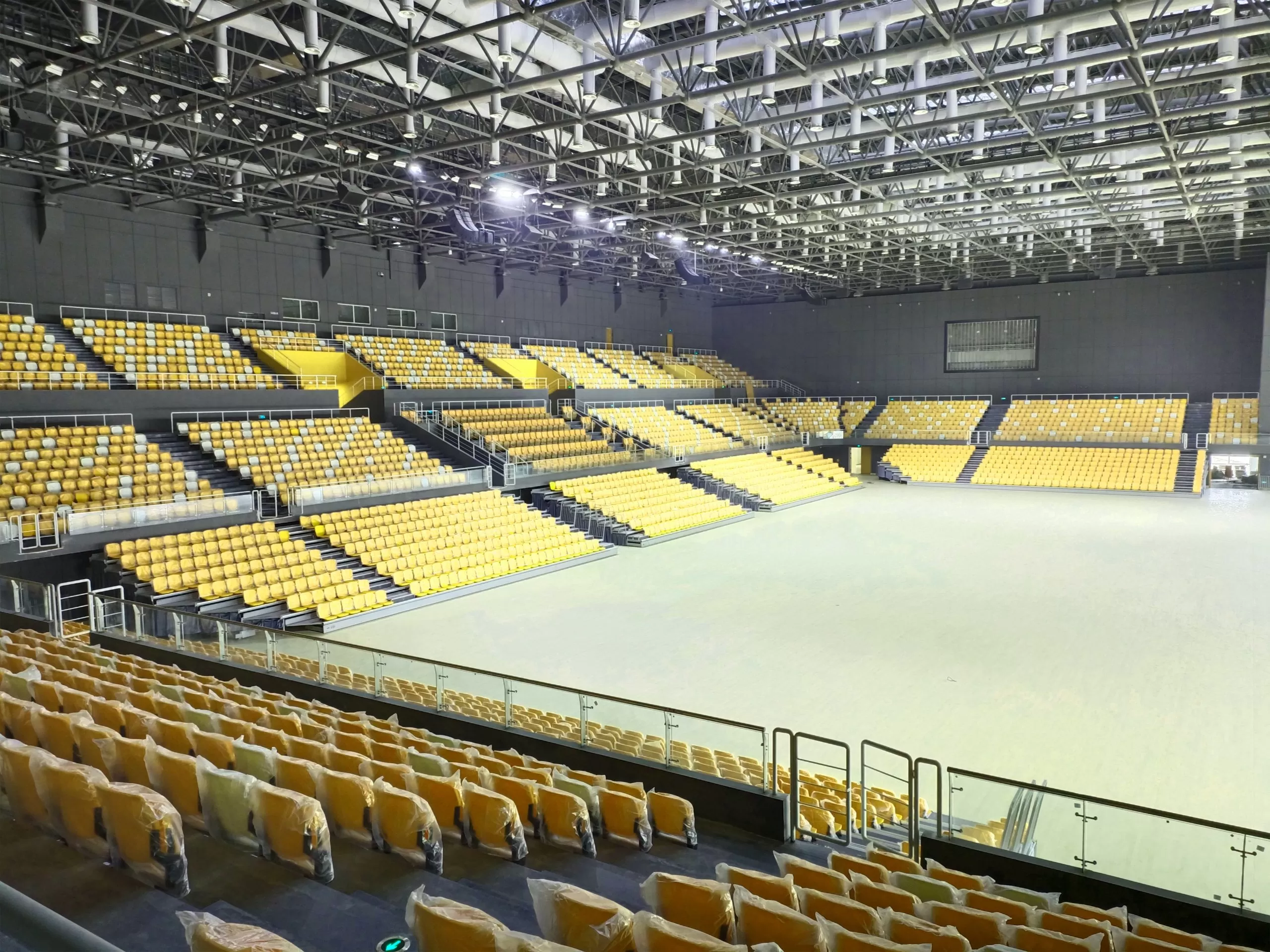
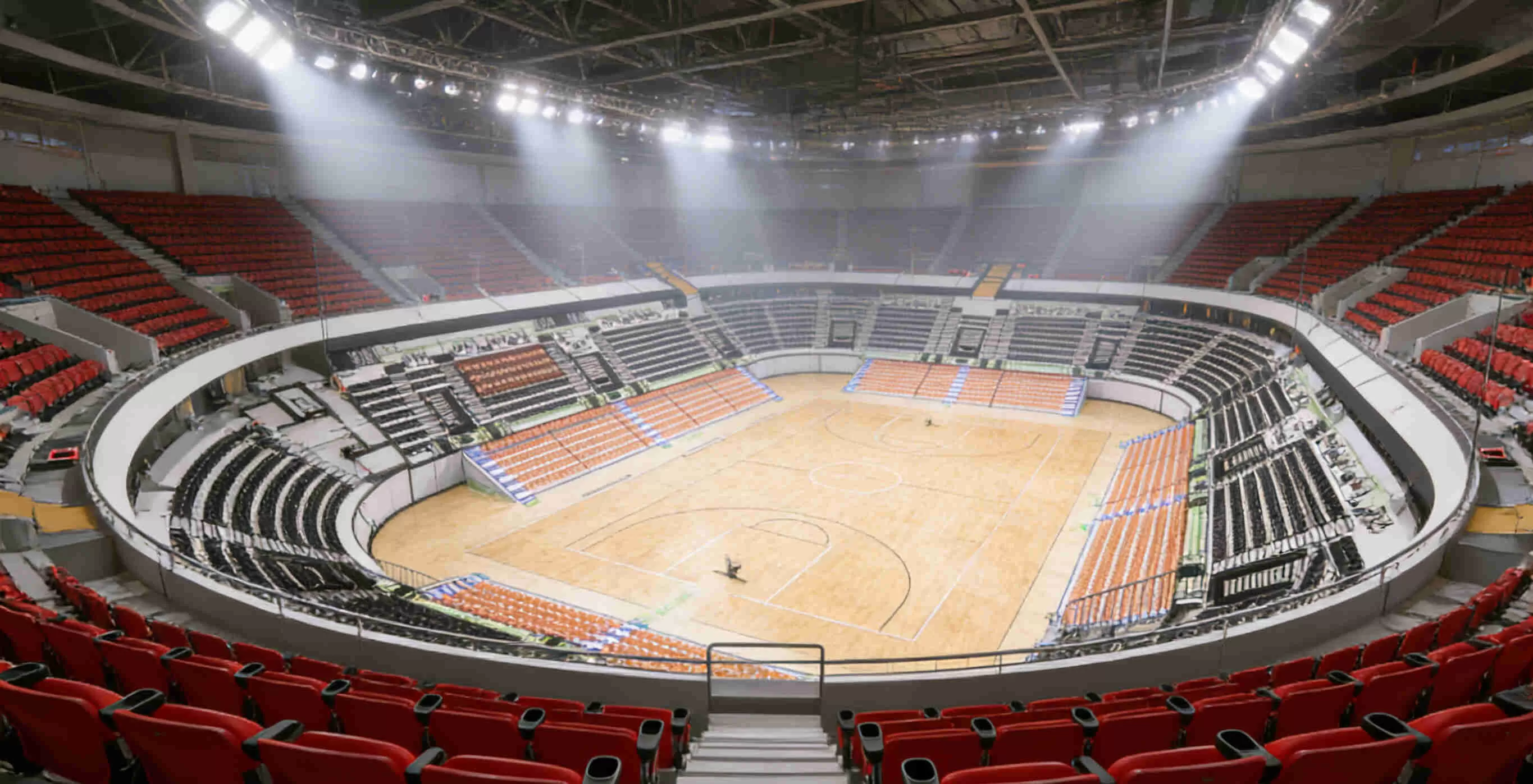
Capacity is another important consideration: calculate the maximum number of spectators your venue needs to accommodate, and choose bleachers that meet (but don’t exceed) that capacity to avoid wasting space or overspending. For example, small schools may only need 50-100 seat portable bleachers, while professional stadiums may require fixed grandstand seating with thousands of seats. Keywords: high-capacity stadium bleachers, tiered grandstand seating, unobstructed sightline bleachers.
4. Safety & Compliance Standards
Safety should never be compromised when selecting stadium bleachers. Ensure that your chosen bleachers meet international safety standards (e.g., ASTM, EN, or local building codes) to protect both spectators and venue operators. Key safety features to look for include:
-
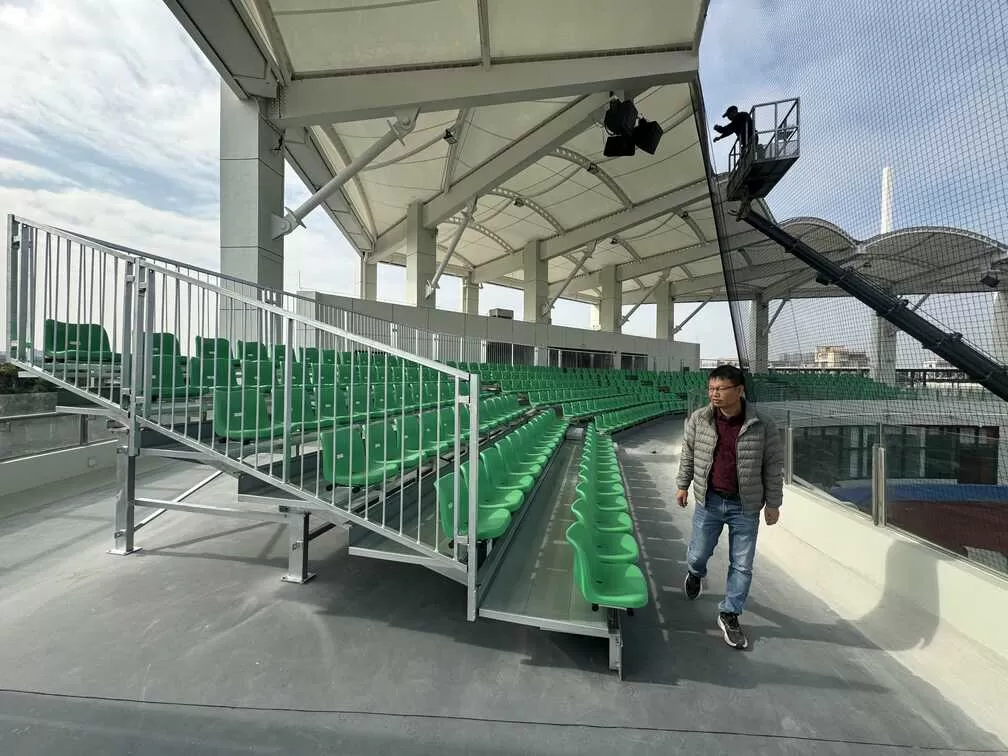
Sturdy handrails for upper tiers
-
Anti-slip steps and seat surfaces
-
Secure anchoring systems (for fixed bleachers)
-
Load capacity labels (to prevent overcrowding)
-
Accessibility features (e.g., ramps for disabled spectators) to comply with ADA standards (for US venues) or similar regulations globally.
Non-compliant bleachers not only put spectators at risk but can also lead to legal liabilities and fines for your venue. Keywords: safe stadium bleachers, ADA-compliant grandstand seating, safety-certified sports bleachers.
Common Mistakes to Avoid When Buying Stadium Bleachers
Even with careful planning, many venue managers make costly mistakes when selecting stadium bleachers. Here are the most common pitfalls to steer clear of:
-
Choosing the Wrong Material for Your Location: Installing uncoated steel bleachers outdoors will lead to rapid rust and deterioration. Always match the material to your venue’s environment.
-
Overlooking Maintenance Needs: Some bleachers require regular upkeep (e.g., steel bleachers need rust checks, plastic bleachers need UV protection). Factor in maintenance costs when budgeting to avoid unexpected expenses later.
-
Sacrificing Sightline for Capacity: Crowding too many seats into a small space will result in poor spectator views, which can hurt attendance and venue reputation. Prioritize sightline even if it means reducing capacity slightly.
-
Ignoring Accessibility: Failing to include accessible seating (e.g., ramps, wheelchair spaces) can exclude a significant portion of your audience and lead to non-compliance with regulations.
Why Professional-Grade Stadium Bleachers Matter
Investing in professional-grade stadium bleachers isn’t just about durability—it’s about enhancing your venue’s reputation, improving spectator satisfaction, and reducing long-term costs. Professional bleachers are designed with the unique needs of sports venues in mind, offering features like easy installation, versatile configurations, and compliance with global safety standards. Whether you’re outfitting a small school gym or a large professional stadium, professional-grade seating ensures that your venue is equipped to host events safely and efficiently.
At [Your Brand Name], our stadium bleachers are engineered with premium materials (aluminum, steel, and high-impact plastic) and tailored to meet the needs of any sports venue. From portable telescopic bleachers to fixed grandstand seating, we offer customizable solutions that prioritize safety, durability, and spectator experience—all while complying with global standards. Keywords: professional stadium bleachers, custom grandstand seating, high-quality sports arena bleachers.
Final Thoughts
Choosing the right stadium bleachers requires careful consideration of your venue’s type, usage, capacity, and budget. By prioritizing material durability, sightline optimization, safety compliance, and versatility, you can select bleachers that enhance spectator experience, reduce maintenance costs, and stand the test of time. Whether you need portable bleachers for temporary events or fixed grandstand seating for a permanent stadium, this guide will help you make an informed decision that aligns with your venue’s long-term goals.
Ready to find the perfect stadium bleachers for your venue? Contact our team of experts today for a customized recommendation tailored to your needs.